Extremity Care

NUCCA Doctors. Expertise in Extremity Care.

At Alpha Spine Center, our primary focus is NUCCA Upper Cervical Chiropractic. Our doctors also bring expertise in Sports Chiropractic and extremity care to patients from Milton, Alpharetta, and Roswell.

When a problem affects your ribs, shoulders, elbows, wrists, hands, fingers, hips, knees, ankles, or feet, we evaluate the area and use our skills to help when care is appropriate. Your individualized plan may include Sports Chiropractic Adjustments, Class 4 Cold Laser Therapy, Exercise Therapy, and Cryotherapy. We do not provide surgery, drugs, or injections.

When your condition calls for a referral, we help you find the right medical provider or specialist for your needs and coordinate care when appropriate.

NUCCA AT OUR CORE. EXTREMITY EXPERTISE.

Focused Care for the Area That Needs Attention.

At Alpha Spine Center, NUCCA Upper Cervical Chiropractic is the foundation of our practice. Our doctors also bring expertise in evaluating and caring for the joints and supporting tissues beyond the spine.

When a shoulder, elbow, wrist, hip, knee, ankle, or foot needs attention, we evaluate that area directly. We consider its movement, the surrounding muscles, and how the problem affects your everyday life or sport. Your findings guide the care we recommend.

When your needs call for another provider, we help you find the right specialist and coordinate care when appropriate.

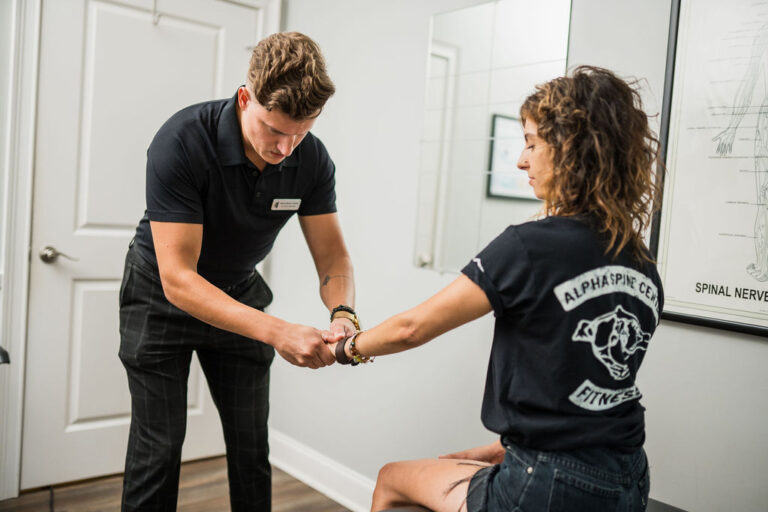
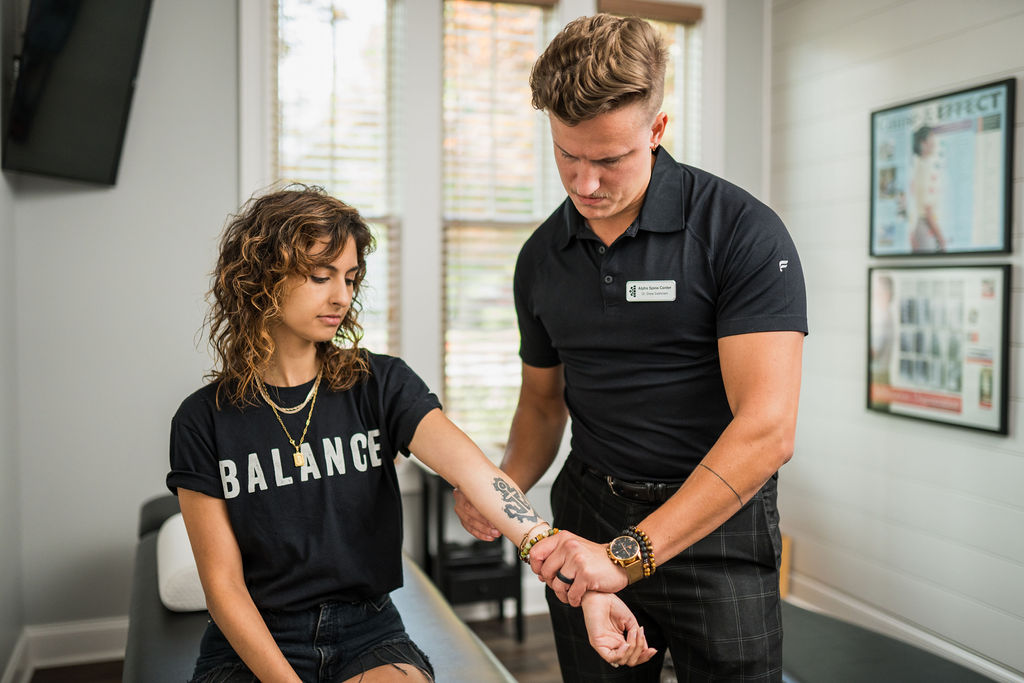
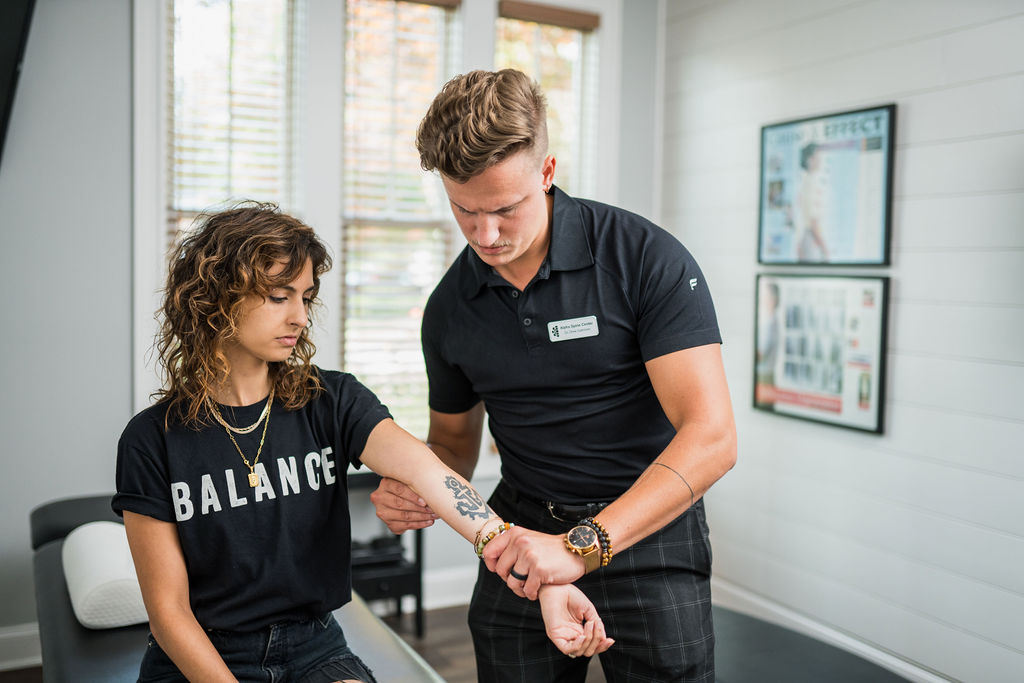
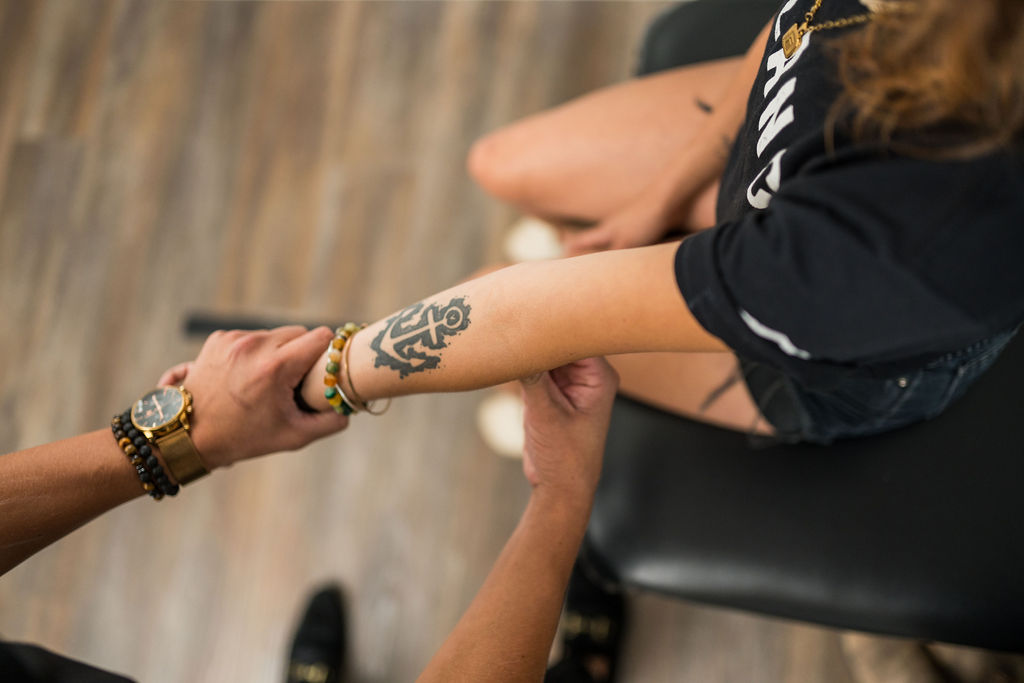
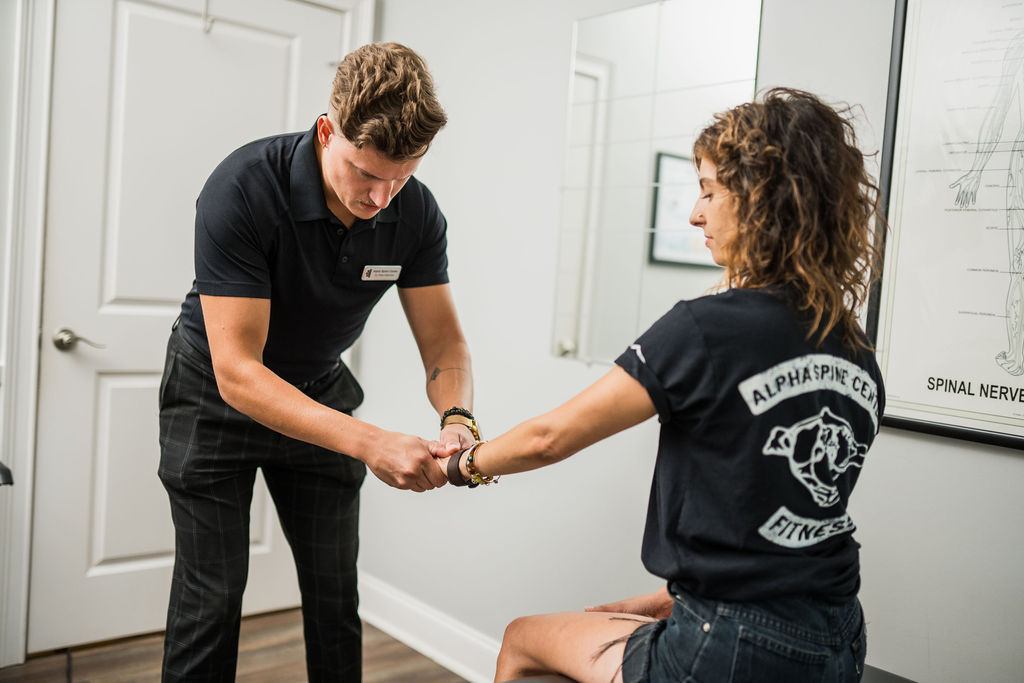
Dr. Drew Salminen providing hands-on arm and wrist care at Alpha Spine Center in Milton, Georgia.
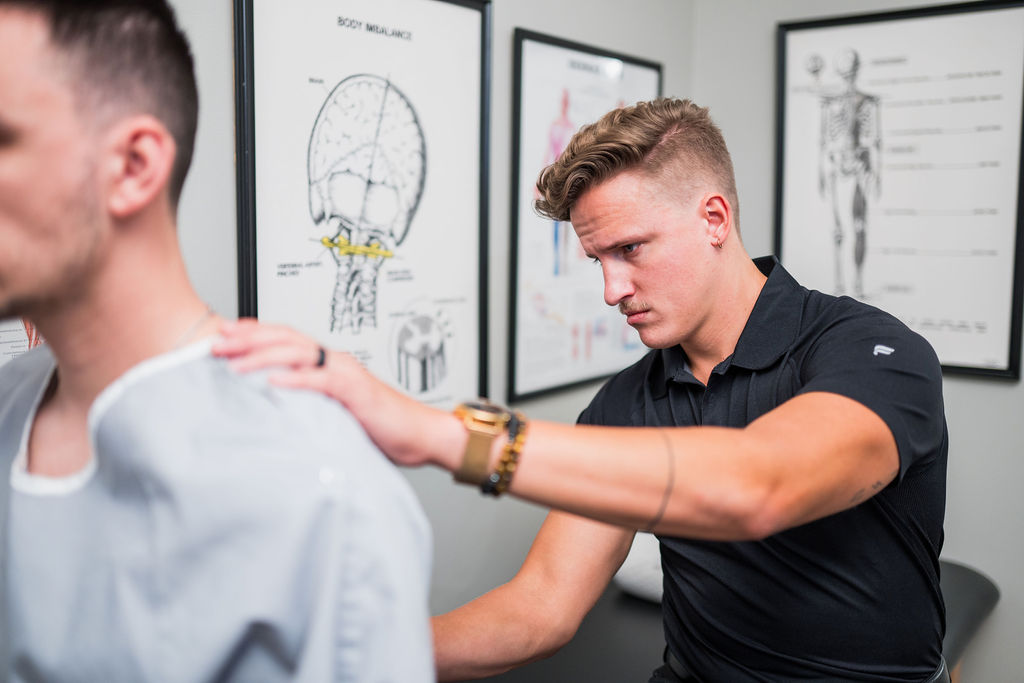
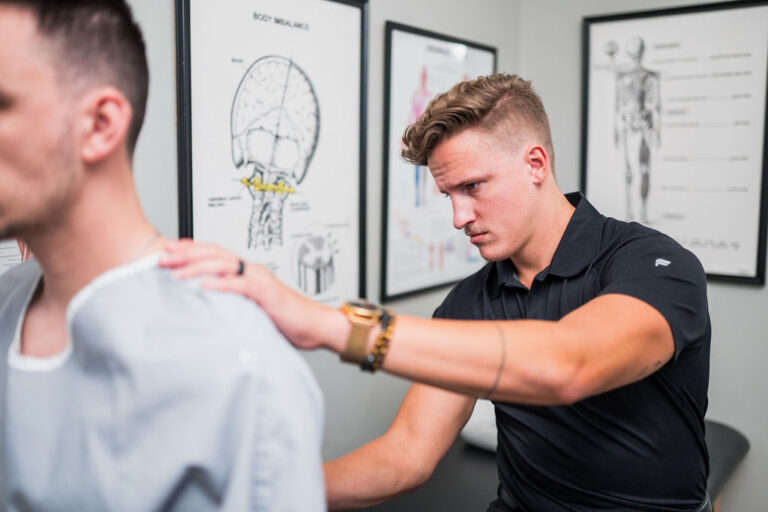
Dr. Andrew “Drew” Salminen examining a patient’s shoulders and posture at Alpha Spine Center in Milton, Georgia.

SHOULDER INJURIES

Pain or stiffness when reaching, lifting, or playing sports can limit your day. We evaluate shoulder movement and supporting tissues, including concerns such as rotator cuff irritation and overuse injuries, to determine appropriate care.
ELBOW INJURIES

Repetitive gripping, lifting, and throwing can contribute to elbow discomfort. We assess concerns such as tennis elbow, golfer’s elbow, and sports-related strain, with care guided by your examination and activity goals.
WRIST INJURIES

Wrist pain can interfere with work, exercise, and everyday tasks. We evaluate movement, repetitive-use concerns, and symptoms following an injury. We also support arthritis management with care tailored to your symptoms and function, referring you when appropriate.
HAND & FINGER INJURIES

Pain, stiffness, or difficulty gripping can affect even simple tasks. We evaluate hand and finger concerns, including sprains and arthritis-related joint discomfort. We support arthritis management with care tailored to your symptoms and function, and help arrange specialist care when needed.
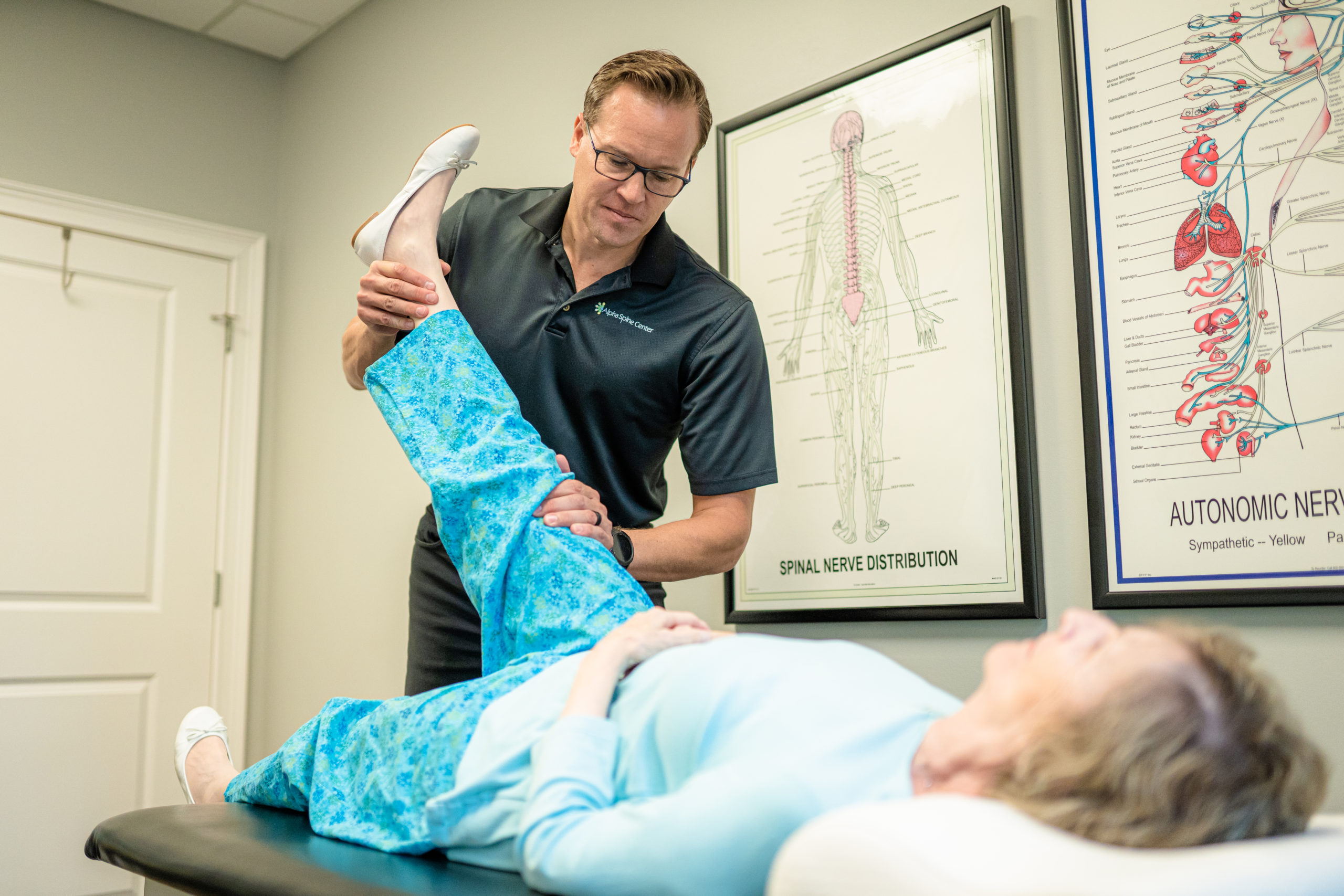
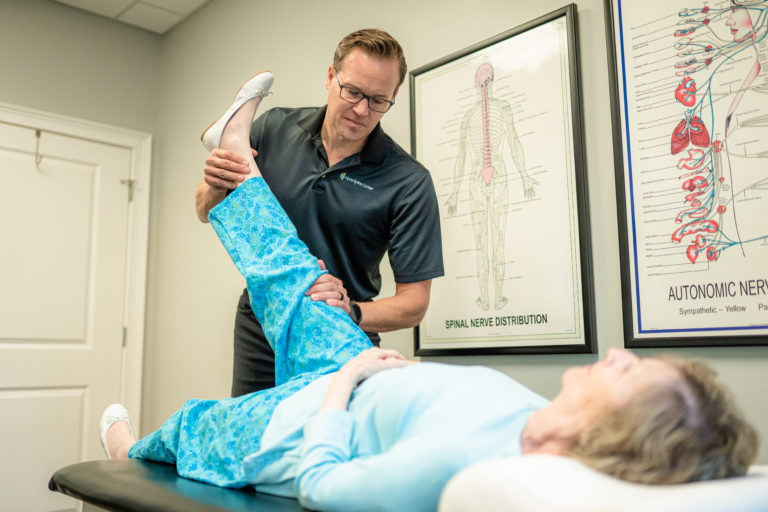
Dr. Bryan Salminen assessing a patient’s hip and leg movement at Alpha Spine Center.

HIP INJURIES

Hip pain or stiffness can affect walking, climbing stairs, and staying active. We evaluate hip movement and supporting muscles, including sports-related strain and arthritis-related discomfort, to guide appropriate care and referrals.
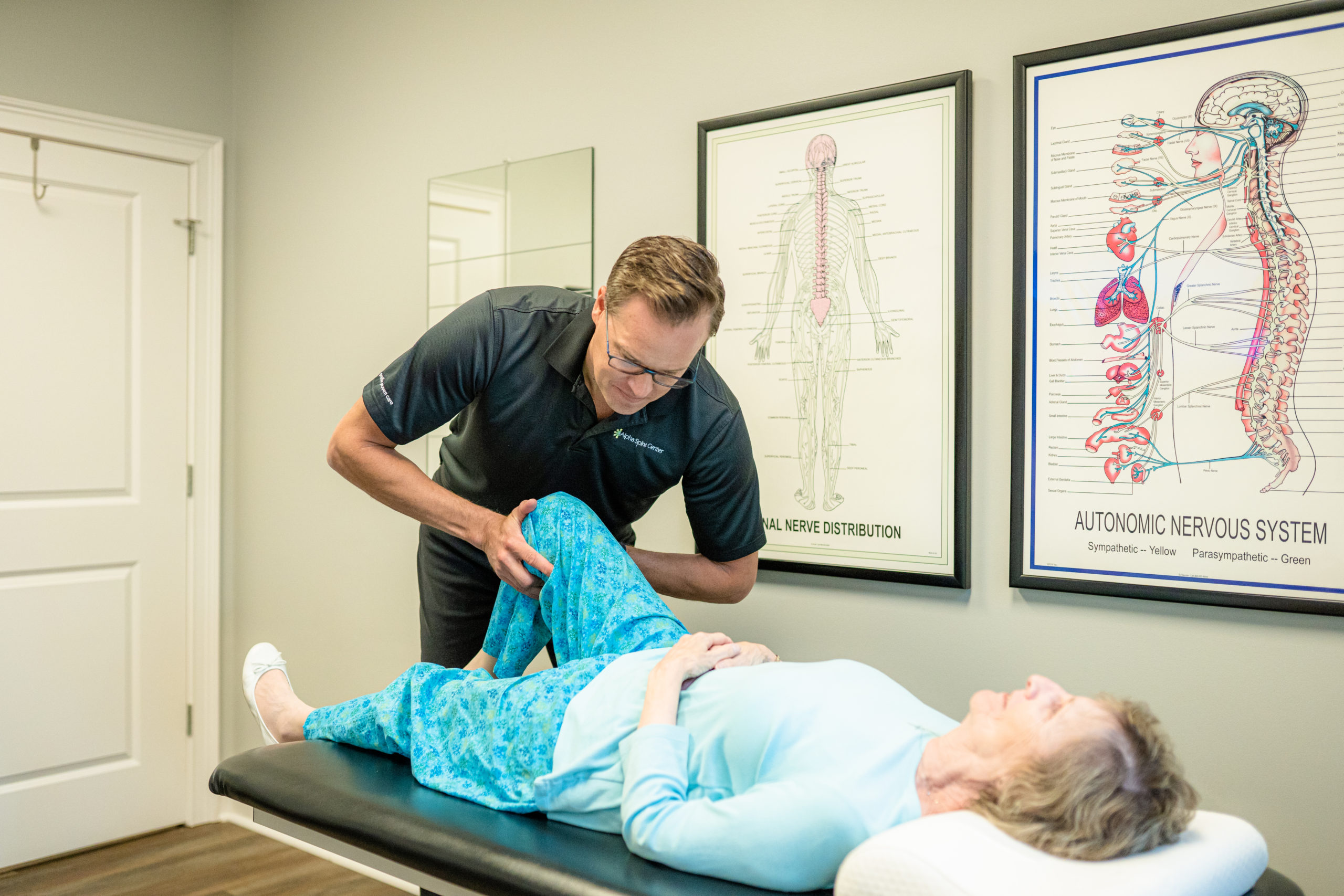
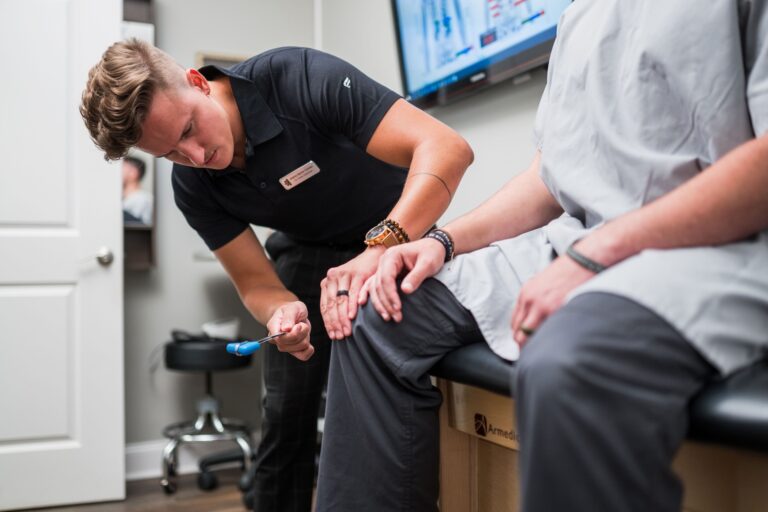
Dr. Bryan Salminen evaluating a patient’s bent knee at Alpha Spine Center.

KNEE INJURIES

Knee discomfort can make stairs, squatting, or sports difficult. We assess movement, overuse concerns, symptoms after injury, and arthritis-related stiffness. Your examination guides a plan tailored to your function and goals, with referrals when needed.
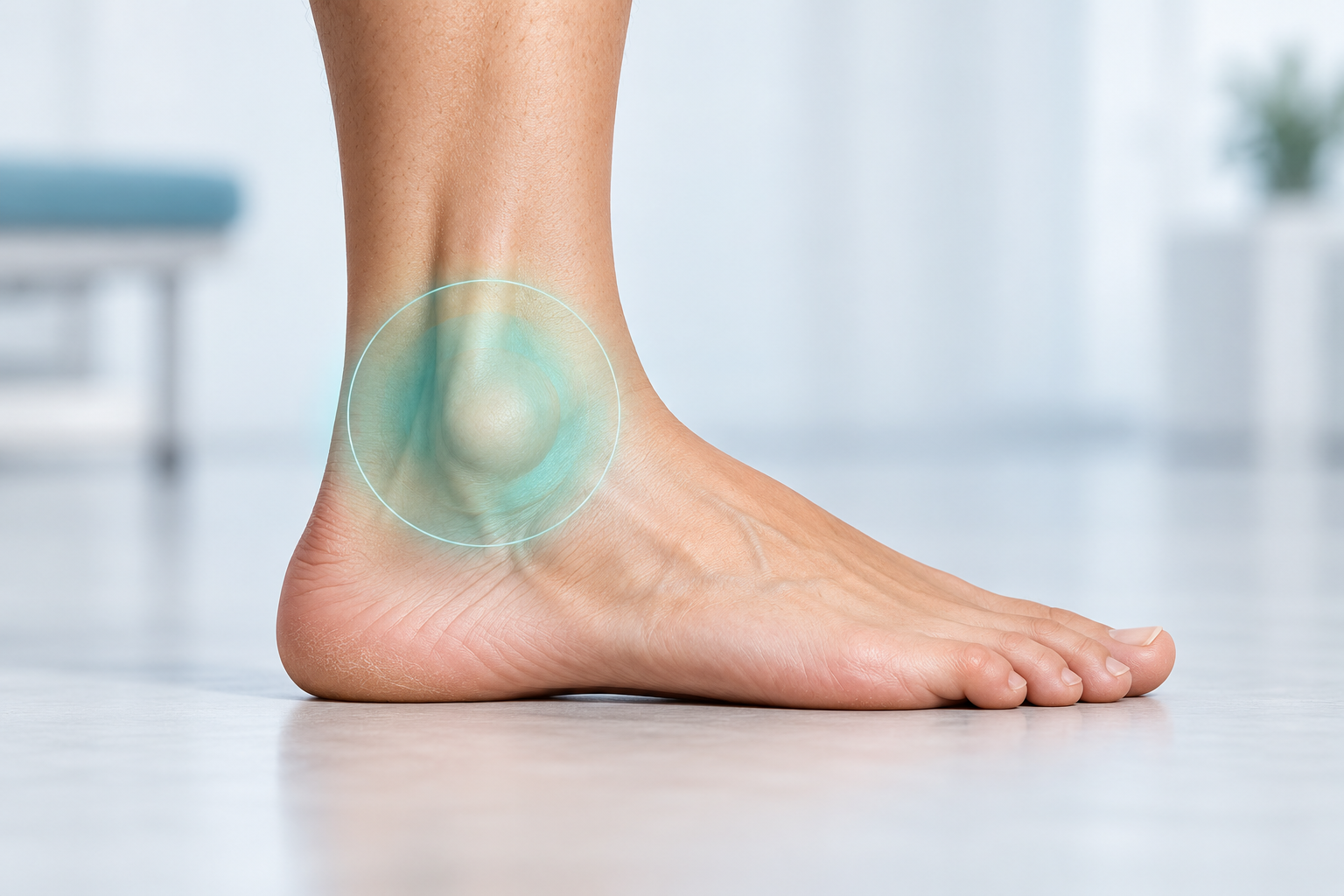
Side-view illustration of the ankle and foot with the ankle joint area highlighted.

ANKLE INJURIES

Ankle pain or stiffness can limit walking, balance, and sport. We evaluate sprains, recurring discomfort, and movement concerns to determine appropriate care. When findings suggest a fracture or another condition needing medical attention, we help arrange a referral.
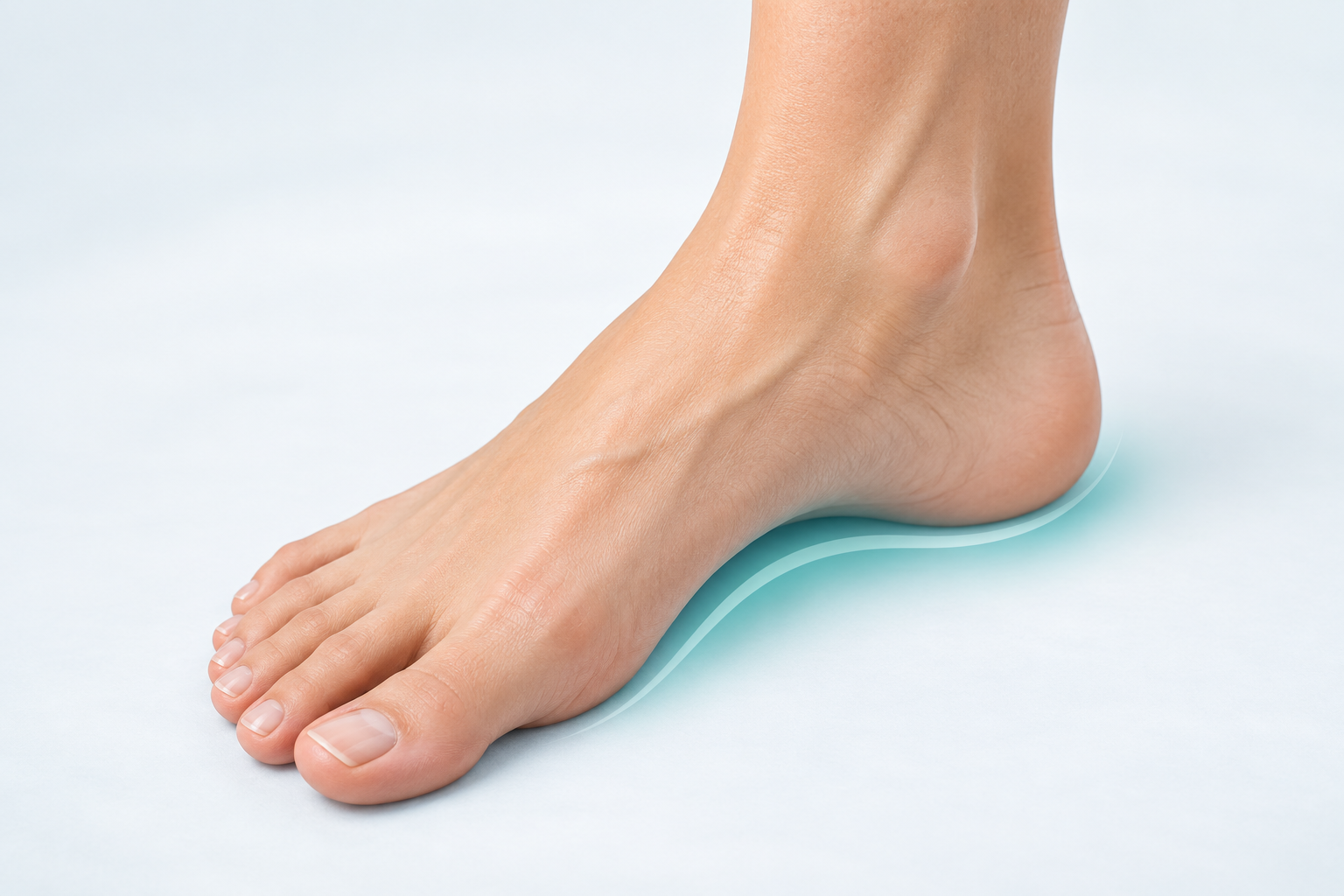
Illustration of the foot showing the arch, heel, and toes.

FOOT INJURIES

Foot pain can change how you walk and affect your daily activities. We evaluate heel pain, plantar fascia concerns, and joint discomfort, considering movement and activity demands. Care is tailored to your findings, with podiatry or other specialist referrals when appropriate.
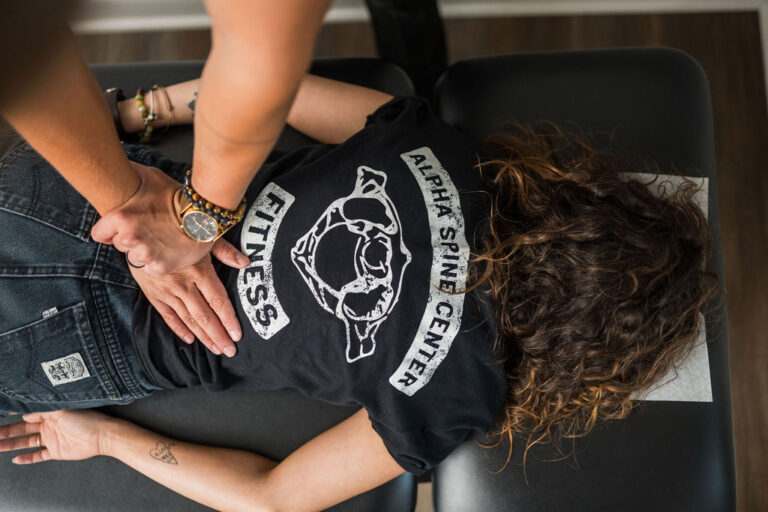
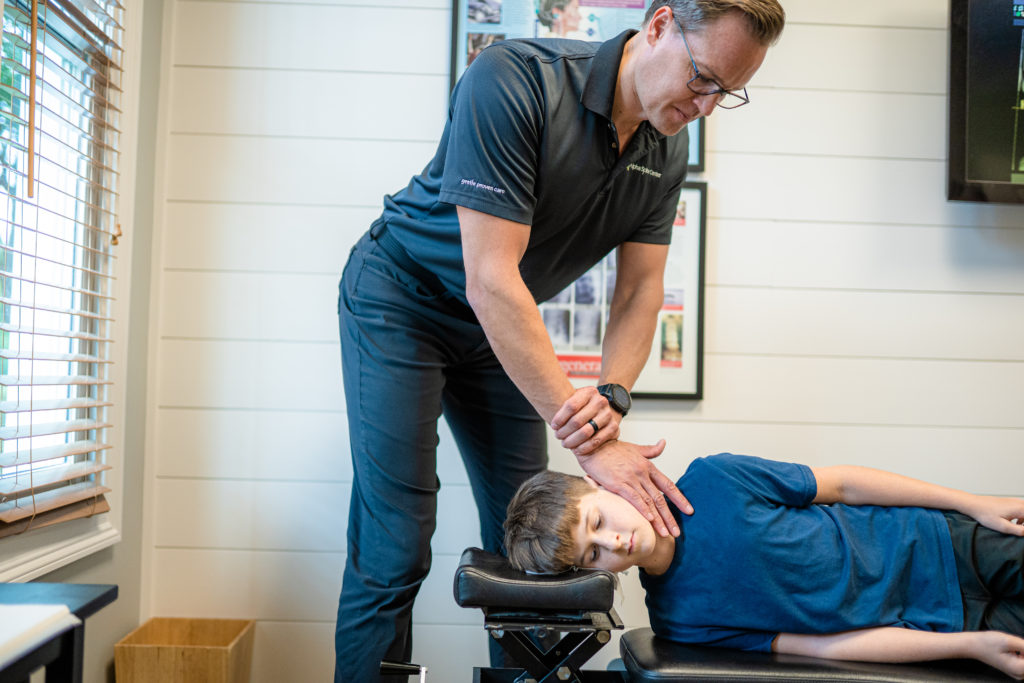
Dr. Drew Salminen providing hands-on upper-back care at Alpha Spine Center.
RIBS & CHEST WALL CARE

Rib Discomfort Deserves Careful Attention.

Rib and chest wall discomfort can make reaching, twisting, or taking a deep breath uncomfortable. Rib joint and surrounding muscle problems may be associated with pain near the sternum (breastbone), upper-back pain, and muscle tightness or spasms. Muscle strain and costochondritis—inflammation where the ribs connect to the breastbone—are other possible causes. Chest pain and breathing difficulty need careful evaluation because they can also come from conditions that require medical care.

At Alpha Spine Center in Milton, our NUCCA doctors, who also provide Sports Chiropractic, evaluate rib movement and the surrounding muscles and joints. We ask how your symptoms began, assess the area, and determine whether our care is appropriate or whether medical evaluation, imaging, or a specialist referral is needed.

When appropriate, we begin with NUCCA care and assess spinal alignment, including rotational or twisting patterns that may affect rib movement. We monitor whether rib discomfort improves as care progresses. If it persists, we evaluate the specific rib or ribs involved and address them directly when clinically appropriate.

For suitable musculoskeletal concerns, your individualized plan may include Sports Chiropractic Adjustments, Exercise Therapy, Class 4 Cold Laser Therapy, or Cryotherapy, selected according to your findings. We reassess your symptoms and function as care progresses. We do not provide surgery, drugs, or injections.

If your needs fall outside our care, we help you find the right medical provider and coordinate care when appropriate.

New or unexplained chest pain should receive prompt medical evaluation. Call 911 for sudden or persistent chest pain, especially with shortness of breath, sweating, nausea, or pain spreading to the arm, jaw, or back.

Dr. Andrew “Drew” Salminen examining a patient’s shoulders and posture at Alpha Spine Center in Milton, Georgia.
SHOULDERS & ELBOWS

Extremity Care for Reaching, Lifting & Swinging.

Shoulders

The shoulder relies on coordinated movement of the arm bone, shoulder blade, and collarbone, supported by muscles and tendons. Rotator cuff irritation or tears, shoulder impingement, frozen shoulder, and labral injuries can affect reaching, lifting, sleeping, or throwing.

We assess movement, strength, and how your symptoms affect daily life or sport. Your findings determine whether conservative extremity care is appropriate and whether imaging or an orthopedic referral is needed. Significant weakness after injury, suspected dislocation, or a tendon tear requires further evaluation. Exercises begin and progress according to your doctor’s recommendations.

Elbows

Tennis elbow (lateral epicondylitis) affects tendons at the outside of the elbow; golfer’s elbow (medial epicondylitis) involves the inside. These overuse concerns can occur with work, lifting, gripping, and racquet sports—not only tennis or golf. Other elbow concerns include tendon irritation, bursitis, and nerve symptoms.

We evaluate the elbow, forearm, wrist movement, and activity demands to guide appropriate care. Your plan may include activity guidance and prescribed rehabilitation when you are ready. Persistent numbness, marked swelling, loss of movement, or symptoms after a significant injury may require medical evaluation or referral.

WRISTS, HANDS & FINGERS

Extremity Care for Grip & Fine Movement.

Wrists

Wrist sprains, tendon irritation, De Quervain’s tenosynovitis at the thumb side of the wrist, and arthritis can make gripping and repetitive tasks uncomfortable. Numbness or tingling may involve nerve conditions such as carpal tunnel syndrome and should be evaluated.

We assess wrist movement, strength, symptoms, and the demands of your work or sport. Appropriate care can include support for arthritis-related symptoms and function, with a personalized exercise plan when recommended. Pain after a fall deserves careful assessment: some wrist fractures can resemble a sprain. Suspected fracture, progressive weakness, or persistent nerve symptoms calls for additional evaluation.

Hands

The small joints, tendons, and muscles of the hand work together for grip and precise movement. Sprains, repetitive-use concerns, and arthritis-related joint discomfort can interfere with opening containers, working, or holding a pickleball paddle.

We evaluate your symptoms, movement, and grip to determine whether our care is appropriate. Arthritis management focuses on your comfort and function, alongside medical care when needed. Swelling after trauma, deformity, or a sudden loss of grip requires assessment for injury. We help coordinate hand-specialist, rheumatology, or other referrals when indicated.

Fingers

Finger sprains and arthritis can affect bending, straightening, and everyday hand use. A jammed finger may also involve a fracture or tendon injury. Mallet finger can leave the fingertip unable to straighten; other tendon injuries can limit bending or alter finger position.

We assess whether a finger concern is suitable for conservative care or requires a hand specialist. New inability to bend or straighten a finger, deformity, or suspected fracture needs prompt evaluation. We do not treat every finger injury with an adjustment. Rehabilitation is guided by the diagnosis and any specialist instructions.

Dr. Bryan Salminen assessing a patient’s hip and leg movement at Alpha Spine Center.
HIPS, KNEES, ANKLES & FEET

Extremity Care for Mobility & Active Living.

Hips

Hip flexor or groin strains, tendon irritation, bursitis, and arthritis-related stiffness can affect walking, stairs, getting into a car, and sport. Pain around the hip can also come from the spine or other structures, so identifying its source matters.

We evaluate hip movement, supporting muscles, and your activity goals alongside your NUCCA care. Your findings guide suitable extremity care and the timing of prescribed exercises. Significant trauma, inability to bear weight, or concerns about a joint or tendon injury may require imaging or medical referral.

Knees

Knee concerns include patellofemoral pain, tendon irritation, sprains, and arthritis-related discomfort. Meniscus and ligament injuries, including ACL injuries, may affect stability and require further assessment. Pain, swelling, locking, or giving way can interrupt walking, stairs, and skiing.

We assess movement, strength, stability, and the demands of your activities. Suitable conservative care and doctor-guided rehabilitation are tailored to your findings. Suspected ligament tears, a locked knee, substantial swelling after injury, or inability to bear weight may call for orthopedic evaluation. Adjustments are not a substitute for repairing a torn ligament.

Ankles

Ankle sprains involve ligaments and may lead to ongoing pain or instability. Tendon concerns, including Achilles tendinopathy, can also affect walking and sport. A severe sprain can resemble a fracture, making assessment after an injury important.

We evaluate movement, stability, symptoms, and activity demands to determine appropriate care. Rehabilitation may include movement, strengthening, and balance exercises when your doctor recommends them. Suspected fracture, a sudden Achilles injury, or inability to bear weight needs prompt medical evaluation. We coordinate referrals when your needs call for another provider.

Feet

Heel pain, plantar fasciitis, joint discomfort, and overuse concerns can change the way you walk. The plantar fascia is a strong band of tissue supporting the arch. Heel pain can have other causes, including a stress fracture or tendon problem, so evaluation comes before choosing care.

We consider your foot movement, symptoms, footwear, and activity demands to guide suitable care and prescribed exercises. Persistent pain, suspected fracture, progressive numbness, or other findings may require podiatry or orthopedic evaluation. We help connect you with appropriate care and support a gradual return to activity.

A CLEAR PLAN. CARE THAT EVOLVES WITH YOU.

Your Extremity Care Plan.

Evaluate. We begin by listening to your concerns and understanding what you want to get back to doing. NUCCA Upper Cervical Chiropractic is the foundation of our practice. Our doctors also evaluate the involved joint, surrounding muscles, and movement to determine whether extremity care is appropriate. Additional testing or imaging is considered when clinically indicated.

Care. Your findings guide an individualized plan. When appropriate, we may recommend Sports Chiropractic Adjustments for the involved joints, Class 4 Cold Laser Therapy, Exercise Therapy, or Cryotherapy. We explain the purpose of each recommendation and help you take an active role in your care. We do not provide surgery, drugs, or injections.

Reassess. We monitor your symptoms, movement, and function—not just how you feel immediately after a visit. Your progress toward work, family activities, exercise, or sport helps us decide whether to continue, adjust, or reconsider your plan.

Coordinate. When another provider’s expertise is needed, we help you find an appropriate specialist and coordinate care when appropriate. This may include working with a physical therapist, podiatrist, orthopedic specialist, or another healthcare professional based on your needs.

A clear plan, personal attention, and care guided by your progress.

Work to Play collage: Dr. Bryan Salminen training on a leg press at Onelife Fitness Crabapple, with family skiing and mountain biking in Big Sky, Montana.
FITNESS. NUTRITION. PERFORMANCE.

Work to Play.

“Work to Play” is more than our motto—it’s how our family lives. We train at Onelife Fitness Crabapple in Alpharetta, Georgia, near our Milton practice, and at home. We build strength and endurance so we can enjoy the activities we love. For Dr. Bryan Salminen, leg-press training is part of preparing for the demands of downhill skiing and mountain biking.

Dr. Bryan, Aimee, and their family love downhill skiing at Big Sky Resort in Big Sky, Montana and exploring its mountain biking trails. Along with Dr. Andrew Salminen and the family, they also enjoy hiking, running, adventure racing, pickleball, and wakeboarding. Staying active helps us appreciate what it means when pain or an injury interrupts something you’re passionate about.

That same perspective shapes our care. We want to understand what you love doing, what is holding you back, and what physical demands your activity places on your body. When appropriate, your plan may include chiropractic care, exercise guidance, and conversations about fitness, nutrition, and recovery.

From youth sports to professional competition—and from weekend adventures to playing with your grandchildren—your goals deserve personal attention.

Your extremities help turn strength into action. Skiing asks your knees to bend, absorb forces, and maintain control. Tennis places repeated demands on your elbows during swings. Throwing a ball requires coordinated shoulder movement, strength, and control. Holding and swinging a pickleball paddle depends on comfortable hand and wrist movement and a steady grip.

When pain, stiffness, or an injury affects these areas, your favorite activities can become harder. Our NUCCA doctors also bring Sports Chiropractic and extremity expertise to evaluating the movements your activity requires. We build care around your findings and goals, reassess your progress, and coordinate referrals when appropriate.

The right exercise at the right time matters. When your doctor recommends rehabilitation exercises for a diagnosed extremity problem, following the prescribed plan is an important part of your care. Your doctor will guide when to begin, which exercises to perform, and how to progress.

Starting rehabilitation too soon—or increasing activity before you are ready—may aggravate symptoms. Follow your doctor’s instructions rather than rushing ahead, and let us know if an exercise causes new or worsening pain so we can reassess your plan.

We work to help you move and perform at your best—so you can enjoy your play time and the people you share it with.

EXPERIENCE. A SHARED PURPOSE. THE NEXT GENERATION.

Two Generations. One Mission.

For Dr. Bryan Salminen and Dr. Andrew “Drew” Salminen, chiropractic care is personal. As father and son at Alpha Spine Center in Milton, GA, they share a commitment to understanding each patient, providing thoughtful care, and helping people pursue the activities and relationships that give life meaning.

Both doctors are members of the National Upper Cervical Chiropractic Association (NUCCA). Dr. Bryan’s involvement began as a chiropractic student in 1996, and he has been a doctor member since 1999. He brings 27 years of practice experience and Level III certification in NUCCA protocols. Dr. Drew carries that family mission forward, bringing his passion for NUCCA, sports chiropractic, fitness, and performance to the next chapter of Alpha Spine Center.

NUCCA Upper Cervical Chiropractic remains the foundation of their practice. They also bring Sports Chiropractic and extremity expertise to evaluating the joints and supporting tissues involved in your concern. Your goals help guide the examination, the care plan, and the way progress is assessed.

Whether you want to return to competition, explore a mountain trail, enjoy your workday, or get down on the floor with your grandchildren, we want to understand what that means to you.

Our mission is to help you move toward the life you want to live—with care that feels personal, a team that makes you feel at home, and a plan shaped around you.

Dr. Bryan Salminen providing NUCCA care at Alpha Spine Center
Dr. Andrew “Drew” Salminen examining a patient’s shoulders and posture at Alpha Spine Center in Milton, Georgia.

SPORTS CHIROPRACTIC ADJUSTMENTS

When appropriate, our doctors provide targeted care for the involved joints. Your examination, symptoms, and movement guide the techniques selected and how we reassess your progress.

CLASS 4 COLD LASER THERAPY

Laser therapy may be included for selected musculoskeletal concerns. We assess whether it is suitable for you, explain what to expect, and monitor your response as part of your individualized care plan.

EXERCISE THERAPY

Doctor-recommended exercises support your rehabilitation goals. We guide when to begin, which movements to perform, and how to progress. Follow your prescribed plan and tell us about new or worsening symptoms.

CRYOTHERAPY

Cold-based therapy may be recommended for selected symptoms when clinically appropriate. Your doctor considers your findings and health history, explains its use, and reassesses how you respond.

A Well-Balanced Life Starts With You.

Our mission is simple:

We help people achieve a well balanced life by providing gentle, personalized care.

Serving Milton, Alpharetta, and Roswell, we invite you to tell us what’s holding you back and what you want to get back to doing. We’ll listen, evaluate your needs, and help you find the right path forward.

Call 770-777-2377 to schedule your evaluation.

Read Our Condition-Specific Testimonies

APPOINTMENTS

Here For You.

Let’s work together to see what a difference a well-balanced life can make! Make an appointment with us today, and we will see how we can help you reduce pain, increase life, and bring balance back.