

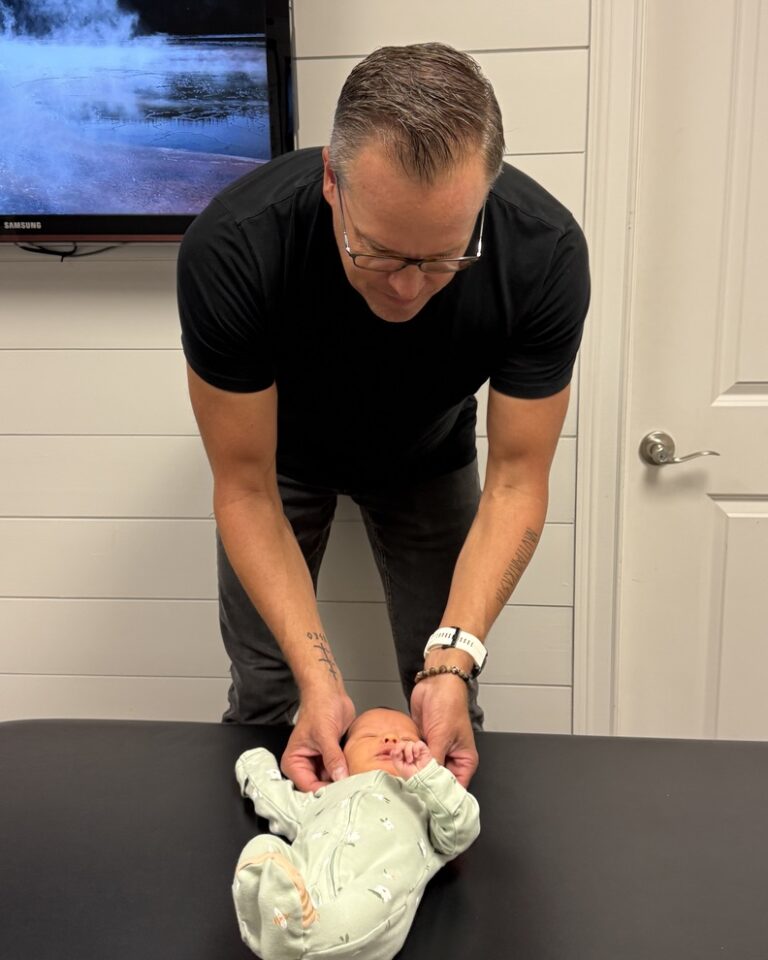

FIRST TRIMESTER · WEEKS 1–13
Early changes. A thoughtful foundation. As pregnancy begins, hormonal changes support your growing baby and can bring fatigue, nausea, and changes in ligament flexibility. Your baby’s brain, spinal cord, and other major organs begin developing during this stage.
Weight gain: During the first trimester, you may gain 1–5 pounds or none at all. Your obstetrician or midwife will help set an individualized goal.
Keep moving: With your prenatal team’s guidance, walking, swimming, modified prenatal yoga, and suitable strength training can support fitness and comfort. For uncomplicated pregnancies, the American College of Obstetricians and Gynecologists (ACOG) recommends at least 150 minutes of moderate aerobic activity per week. Adapt to fatigue and nausea, and avoid overheating.
Nourish both of you: Choose a balanced diet and a prenatal vitamin recommended by your prenatal clinician. Folate supports early brain and spinal cord development; adequate calcium and vitamin D support bone health. Include protein-rich foods, and discuss supplements with your prenatal team.
Start with your spine, pelvis, and everyday movement: At ASC, we look at how back, pelvic, hip, or neck discomfort affects walking, sitting, sleeping, exercising, and getting up from a chair. Your history and examination guide an individualized care plan. NUCCA focuses on the upper cervical spine; Webster Technique uses a specific chiropractic assessment and adjustment focused on the sacrum and sacroiliac joints. Appropriate care can be considered early in pregnancy, while your obstetrician or midwife continues prenatal monitoring and birth planning.
Learn about Webster Technique from the ICPA. Pregnancy guidance: ACOG weight gain, exercise, and nutrition.

SECOND TRIMESTER · WEEKS 14–27
Your changing posture: As your baby bump grows, your center of gravity shifts. Changes in posture and walking patterns can place new demands on your back, pelvis, hips, knees, and ankles. Some mothers also notice neck and shoulder tension.
Growth and weight: For someone who began pregnancy at a healthy weight, ACOG describes a gain of about ½–1 pound per week during the second and third trimesters. Goals differ with pre-pregnancy BMI, twins, and other needs. By the end of week 28, a fetus weighs about 2½ pounds; this is an approximate milestone, not a target for every baby.
Maintain your foundation: Continue balanced meals, your clinician-recommended prenatal vitamin, hydration, and appropriate activity. Protein supports tissue growth and muscle maintenance. Adapt strength training and prenatal yoga to your changing balance and comfort, with guidance from your prenatal team.
Care for your spine and pelvis: ASC assesses how your growing bump changes everyday movement and may consider NUCCA care or other techniques based on your symptoms and suitability. Webster Technique focuses on maternal sacral and pelvic biomechanics—the movement and function of the joints at the base of your spine. It is not a procedure to turn a baby, and evidence does not establish that it corrects breech presentation or prevents cesarean birth.
Prepare for the weeks ahead: We can discuss comfortable positions for sitting, sleeping, and daily tasks as your body changes. Your chiropractic care complements your obstetrician or midwife’s monitoring, so movement and comfort strategies remain appropriate for your pregnancy.
Learn about Webster Technique from the ICPA. Sources: ACOG weight gain and pregnancy changes.
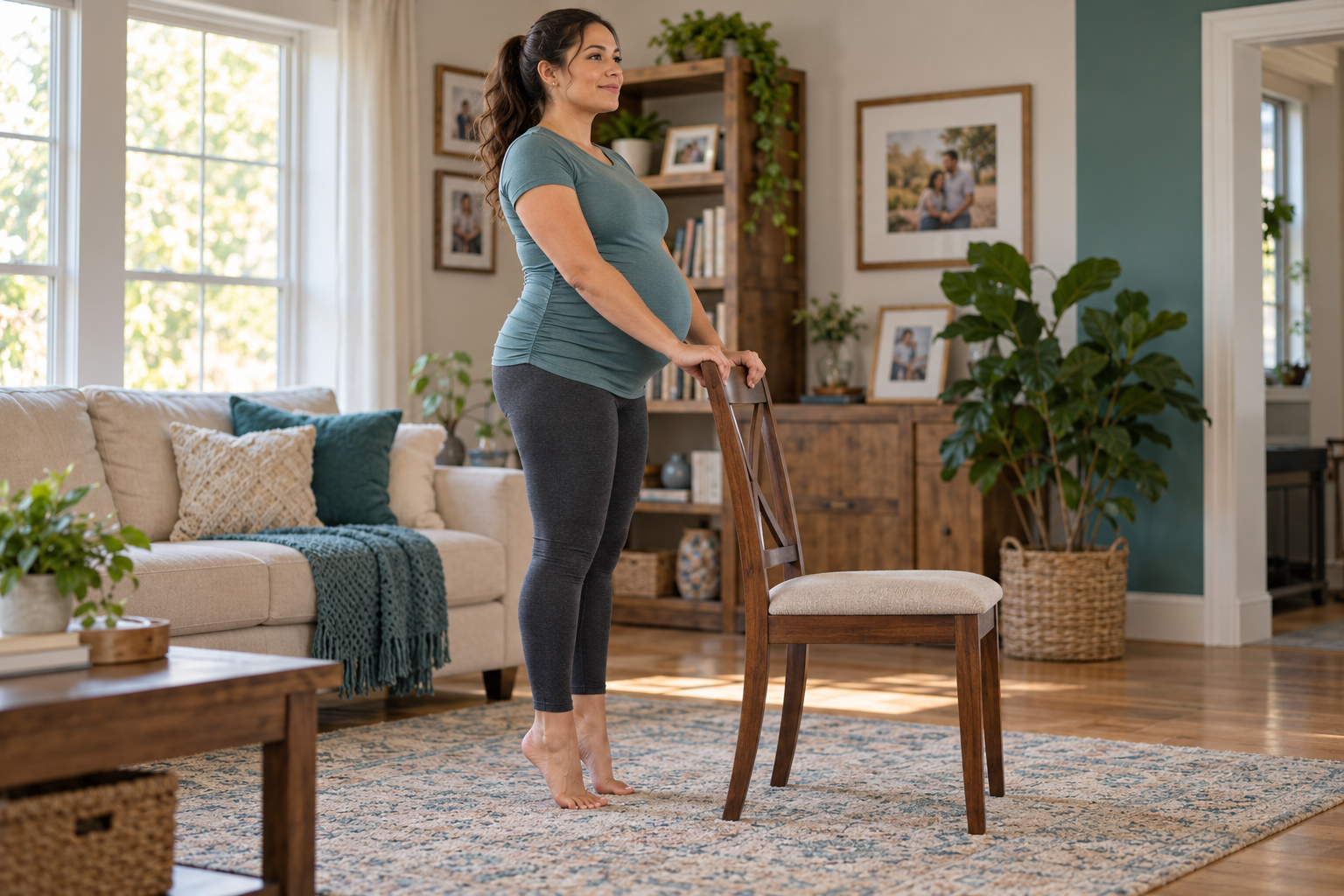
THIRD TRIMESTER · WEEKS 28–BIRTH
Your body prepares for birth: Your baby gains weight and continues developing as birth approaches. The growing uterus and changes in balance can make back, pelvic, hip, and neck discomfort more noticeable. Sleep, standing, walking, and getting comfortable may require new strategies.
Relaxin Hormone: Relaxin is present from early pregnancy and helps soften connective tissues as your body prepares for birth. Along with other pregnancy changes, it can increase the flexibility of ligaments supporting the pelvis. Some women notice that their joints feel looser or less supported, and pelvic clicking or popping may occur. These changes vary from person to person; clicking alone does not establish joint instability. Comfortable movement and appropriate muscle strengthening can help support your changing body. Why chiropractic care matters during this phase: As your pelvis adapts and ligaments become more flexible, back and pelvic discomfort may make everyday movement harder. At ASC, we assess your symptoms, joint function, and movement to determine whether individualized chiropractic care may help manage that discomfort. Care works alongside muscle-support strategies and your obstetrician or midwife’s guidance; it does not reverse hormonal ligament changes. Discuss painful clicking, a feeling that a joint gives way, or difficulty walking with your prenatal care team. Learn more about relaxin from the Society for Endocrinology.
Continue nourishing and moving: Follow your prenatal team’s weight-gain and nutrition goals. Continue suitable activity as tolerated, with shorter sessions, rest breaks, hydration, and modifications when needed. Earlier habits can help, but symptoms and birth outcomes are not a measure of how well you exercised or ate.
Comfort-focused care: ASC reassesses your symptoms and adapts positioning and any appropriate chiropractic techniques to your stage of pregnancy. We can discuss everyday movement and comfort strategies while coordinating with your obstetrician or midwife. Webster Technique addresses maternal sacral and pelvic biomechanics; care decisions remain individualized as your needs change.
If your baby is breech: Your obstetric team should assess fetal position and explain your options, including external cephalic version when appropriate and delivery planning. Chiropractic care and Webster Technique do not replace that assessment or guarantee that a baby will turn.
Plan for postpartum: Discuss recovery, feeding positions, lifting, and returning to activity with your care team. After birth, ASC can evaluate maternal musculoskeletal concerns and help determine an appropriate plan.
Learn about Webster Technique from the ICPA. Learn more about breech presentation from ACOG. Call 770-777-2377 to discuss an evaluation.
