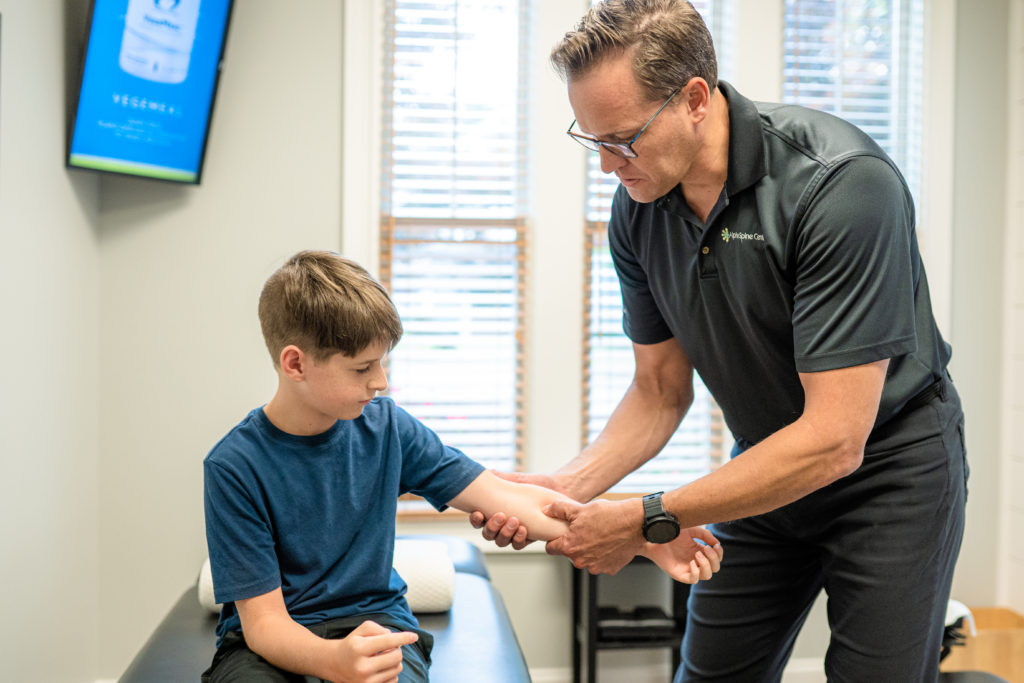
At Alpha Spine Center in Milton, GA, we bring pediatric and scoliosis care together, with special attention to children ages 10–16 during the growing years. We also welcome adults living with scoliosis.
NUCCA Upper Cervical Chiropractic and Sports Chiropractic is the foundation of our practice. We evaluate posture, movement, symptoms, and existing imaging, including MRIs and X-rays to understand the person behind the curve—and discuss where our care may fit.
As Scoliosis specialists, our goal is to support comfortable movement, function, decrease the degree of curvature, and create an informed plan. We track findings over time and coordinate with your pediatrician or general practitioner when needed.
Understanding the components of your curve. Our NUCCA doctors assess three scenarios: functional or postural curvature, structural scoliosis, and structural scoliosis with additional functional concerns. We identify which components may be appropriate for our care and track progress. Early evaluation around ages 10–11 helps families understand findings and care options during growth.
Real patients. Real stories. Dr. Bryan reports that many patients across age groups have avoided previously recommended surgery or bracing during their care at Alpha Spine Center. Their personal testimonies share these experiences. Individual results vary, and these stories and x-ray images will help show the possibilities for you or your family member.
A scoliosis diagnosis can leave families with questions: Will the curve change? Can my child stay active? What care is appropriate now?
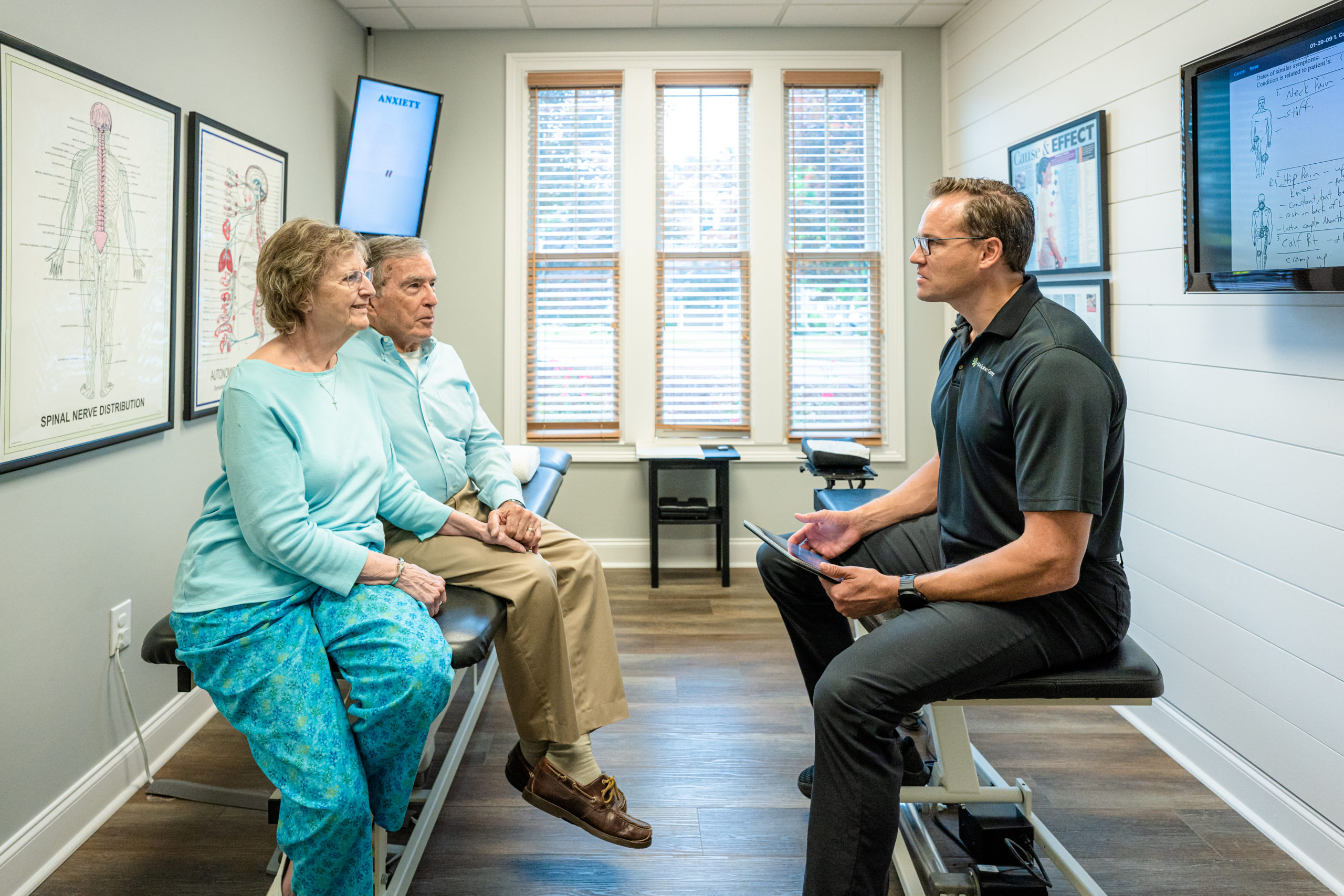
We start by listening. For children ages 10–16, growth stage, curve size, symptoms, and changes over time all matter. A shoulder or hip that looks uneven is a reason to be evaluated, but appearance alone does not establish a diagnosis.
Our NUCCA doctors assess upper cervical alignment alongside posture and movement. We explain the findings, discuss realistic goals, and help families make decisions with the appropriate medical specialists.
Personal attention for your child. Clear information for your family.
AGES 10–16
The growing years deserve close attention. We review posture, growth stage, symptoms, and prior findings to understand your child’s needs and help plan appropriate follow-up. Early evaluation gives your family time to make informed decisions.
POSTURE & MOVEMENT
Uneven shoulders, a prominent shoulder blade, or an uneven waist may prompt a scoliosis evaluation. We assess the whole person, including movement and comfort. A physical screening helps identify concerns; standing imaging is used when clinically indicated.
GENTLE NUCCA CARE
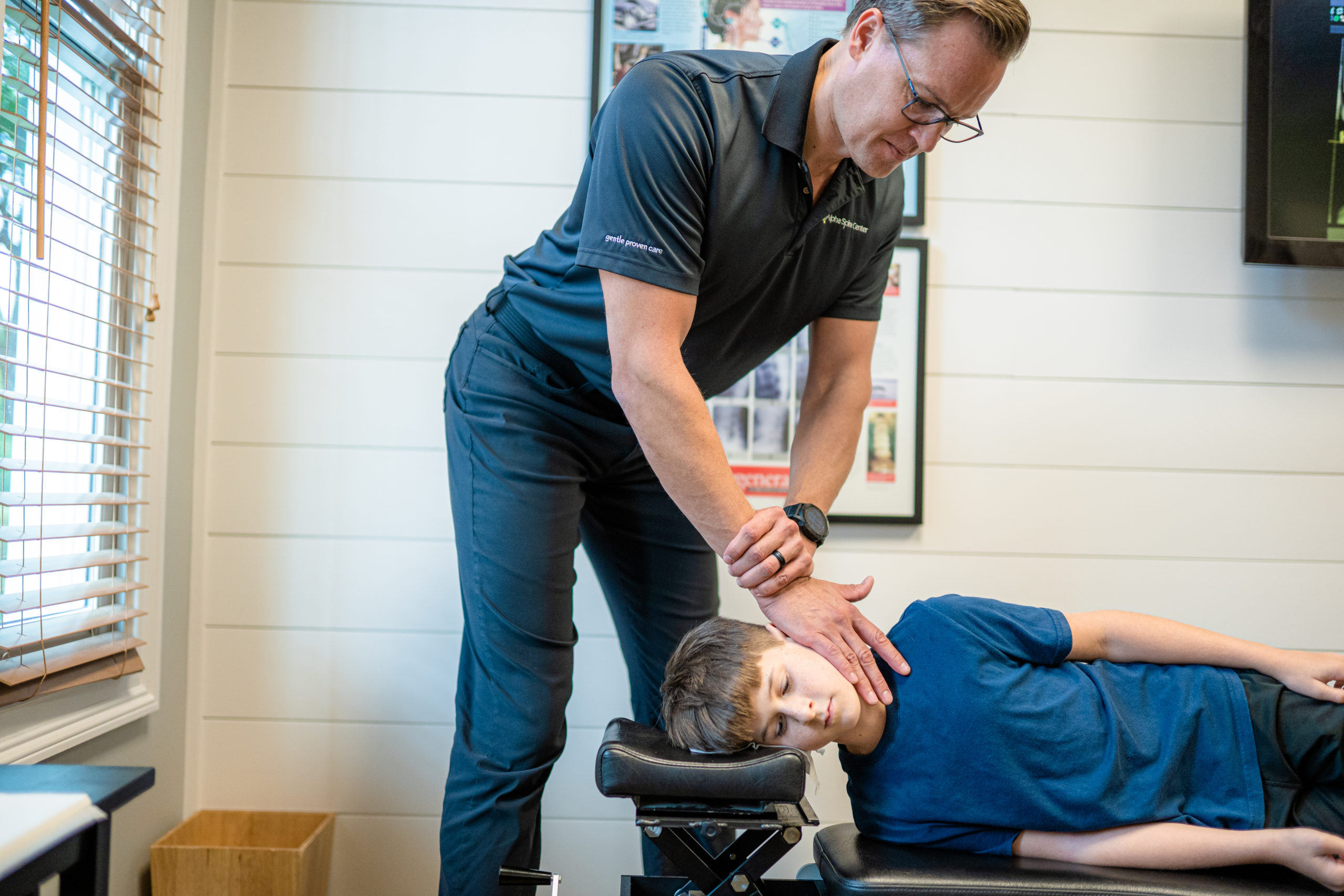
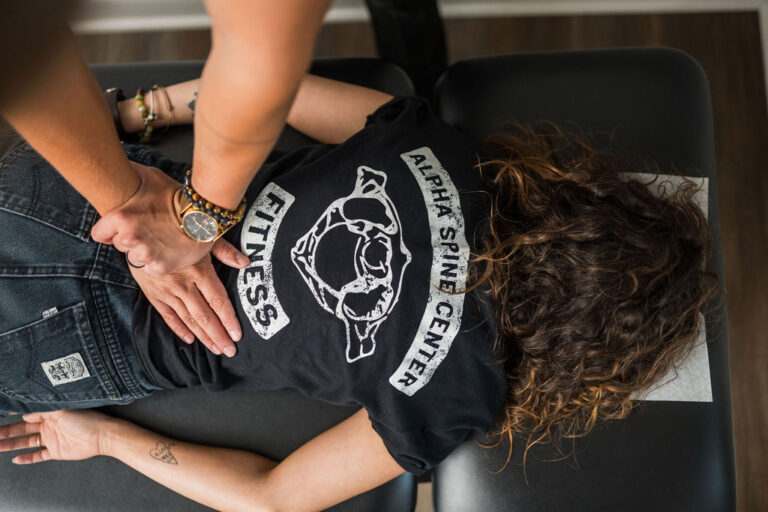
NUCCA focuses on upper cervical alignment using a carefully planned, gentle adjustment. We explain the examination and technique to you and your child. Care is tailored to individual findings, and we reassess whether it is helping the goals that matter to your family.
MEASURED FOLLOW-UP
A scoliosis plan needs more than a visual impression. When imaging is indicated, Cobb angles and comparable views help track the curve. We consider growth, function, symptoms, and specialist advice alongside measurements. Individual results vary.
YOUNGER CHILDREN
We welcome families with children outside the adolescent years, too. Age, development, and the reason for the visit guide the assessment. A curve identified before age 10 requires particular attention and timely coordination with pediatric specialists.
TEENS & GROWTH
A changing body can bring changing questions. We help teenagers and parents understand findings, appropriate activity, and the purpose of follow-up. Monitoring continues according to growth and curve risk, even when a child feels well.
YOUNG ATHLETES
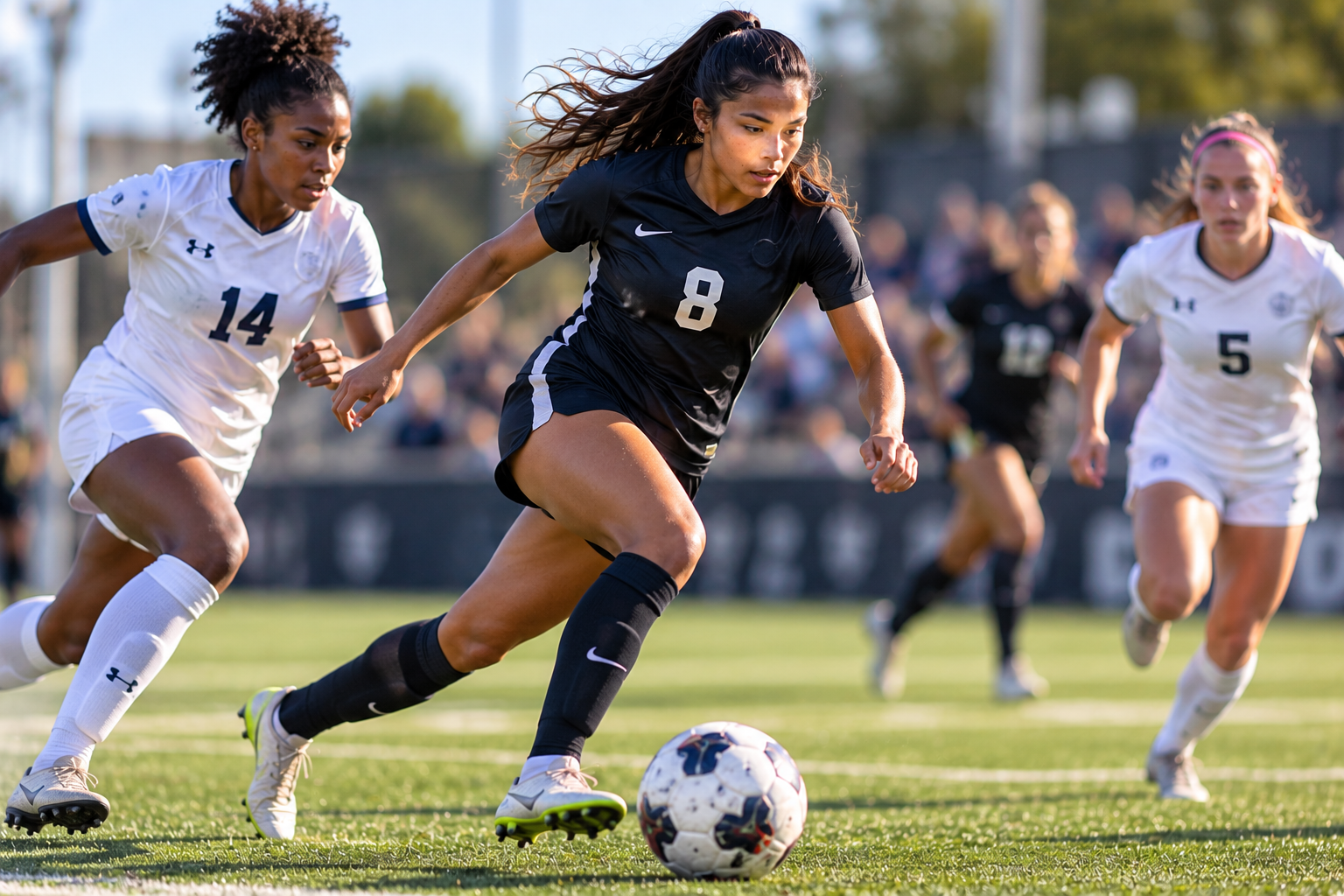
School, sport, and play matter to children. We assess discomfort and movement concerns, and coordinate activity guidance with the treating team. Exercises are individualized; a scoliosis diagnosis does not automatically mean giving up favorite activities.
ADULT SCOLIOSIS
Adults may seek help for discomfort, stiffness, or limits on everyday movement. We evaluate the source of symptoms, review relevant imaging, and discuss suitable care. Structural curve change is not promised, and specialist evaluation remains important when indicated.
UNDERSTAND THE CURVE.
Three Scenarios. An Individual Care Plan.
At Alpha Spine Center, we look at both the curve and the person. These three scenarios help explain what we assess; they are a practical framework, rather than a complete list of scoliosis diagnoses.
1. Functional or Postural Curvature
A flexible curve or postural asymmetry may relate to factors such as muscle spasm, pain-related positioning, or a leg-length difference. Uneven muscle activation and coordination—sometimes described as neuromuscular imbalance—may also affect posture. Our doctors assess whether altered nerve-to-muscle communication could be contributing to the individual patient’s muscle function; this is not assumed from the curve alone. A functional component may change when the position or contributing factor changes. We assess upper cervical alignment, muscle tension, posture, and movement to identify concerns that may be appropriate for NUCCA care. A diagnosed neurological or muscular disorder requires additional evaluation, because neuromuscular scoliosis can involve a structural curve as well.
2. Structural Scoliosis
A structural curve persists when position changes and may include vertebral rotation. Adolescent idiopathic scoliosis commonly appears from age 10 through the growing years; its exact cause is unknown, although genetics may play a role. Congenital scoliosis is different: it involves vertebrae that developed abnormally before birth. A curve greater than 20° does not, by itself, identify a genetic cause.
There is reason for hope. In our practice, we have documented reductions in spinal curvature in individual patients receiving NUCCA care. We evaluate your child’s curve, growth stage, posture, and muscle tension to understand where our care may help. Starting around ages 10–11 gives us an opportunity to assess concerns early and follow changes during growth. We track measurements and progress, explain the findings, and adjust the plan to your child’s needs. Each child is different, and results vary.
3. Structural Scoliosis with Functional Concerns
A person may have a structural curve alongside muscle spasm, pain, or additional postural and movement concerns. Our doctors assess which components may be appropriate for NUCCA care and track comfort, function, posture, and clinically indicated curve measurements separately. Improvement in a functional component does not automatically mean the underlying structural curve has changed.
Our focus: identify the components we can appropriately address, explain your findings, and build a plan around your needs. We review measured changes in context and coordinate additional care when needed.
The adolescent years are an important time to evaluate a curve because growth can affect progression. Your child may feel well even while the curve changes. Assessment considers curve size, remaining growth, changes on prior imaging, and the examination.
Bring existing X-rays, reports, and specialist recommendations to your visit. We review what has already been measured and explain whether an upper cervical assessment or other care is appropriate. We use additional imaging only when clinically indicated.
A shared goal: the least invasive effective plan for your child. Depending on findings, that plan may involve observation, scoliosis-specific exercise with a trained provider, bracing, or spine specialist evaluation. NUCCA care may be considered for appropriate associated concerns; it should not delay recommended scoliosis monitoring or treatment.
Our existing free scoliosis screening offers a starting point for families. A screening is not a full diagnostic assessment. Call us to confirm what is included and whether further evaluation is recommended.
Case 01 · Early Screening for an Active 10-Year-Old
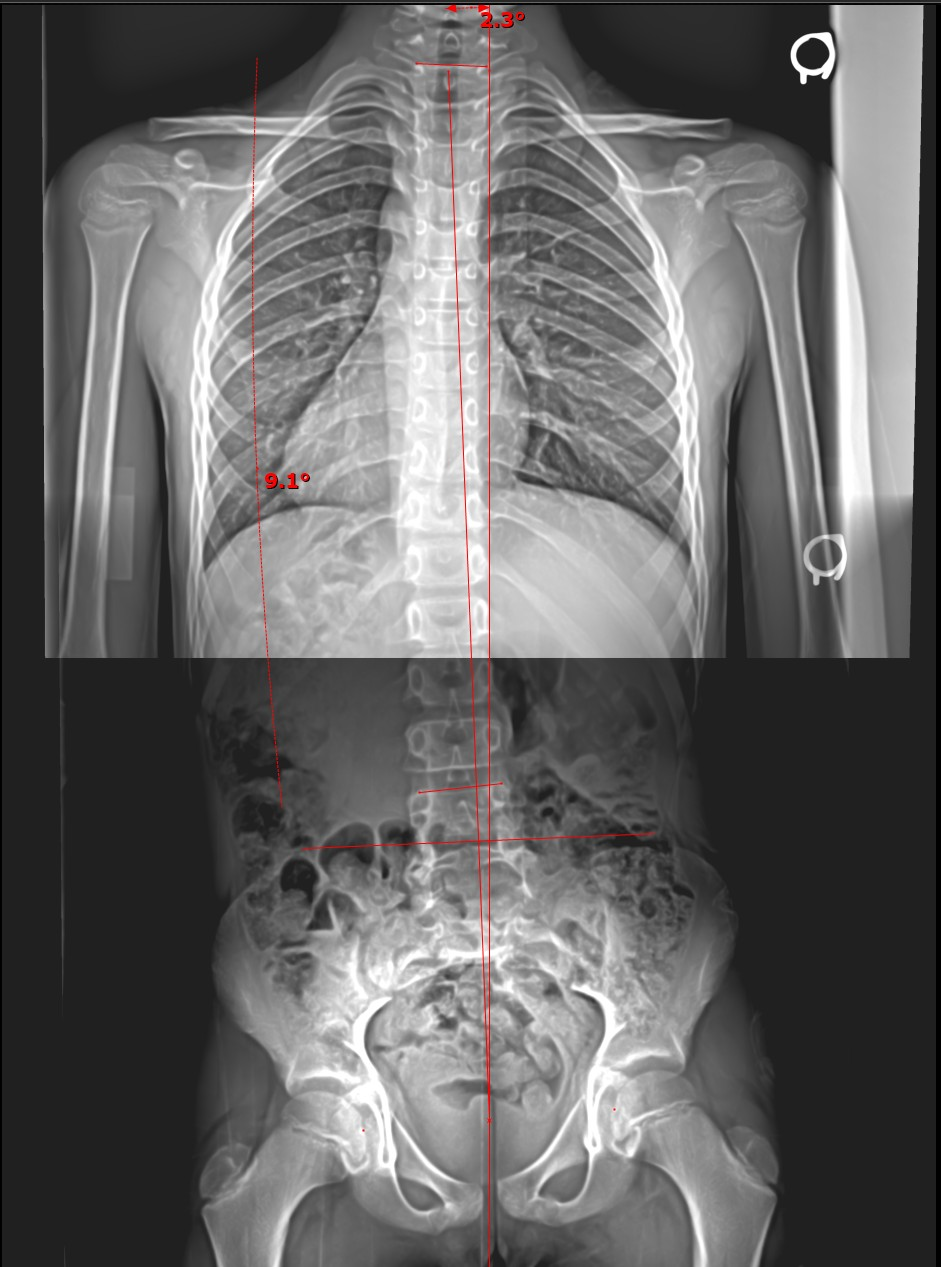
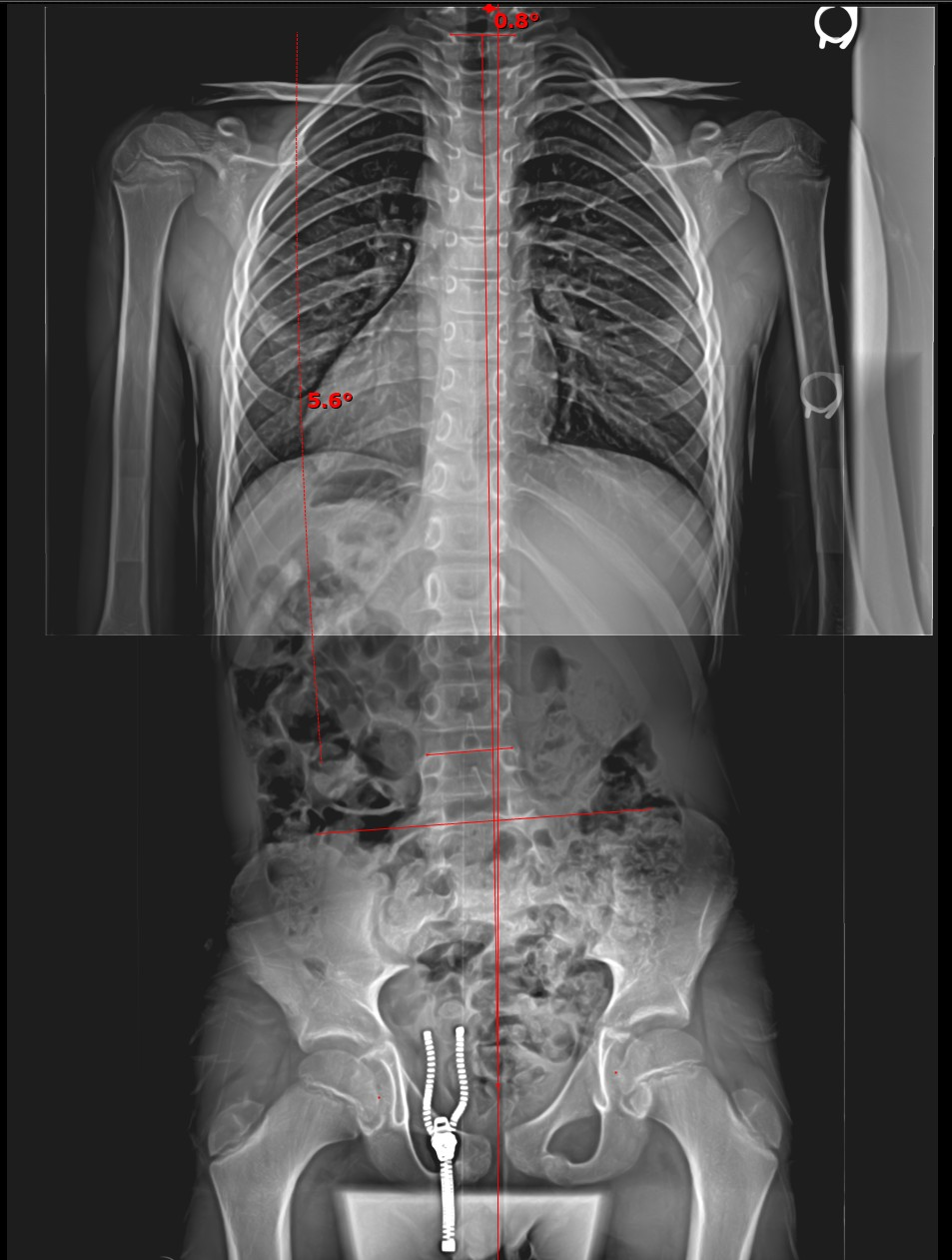
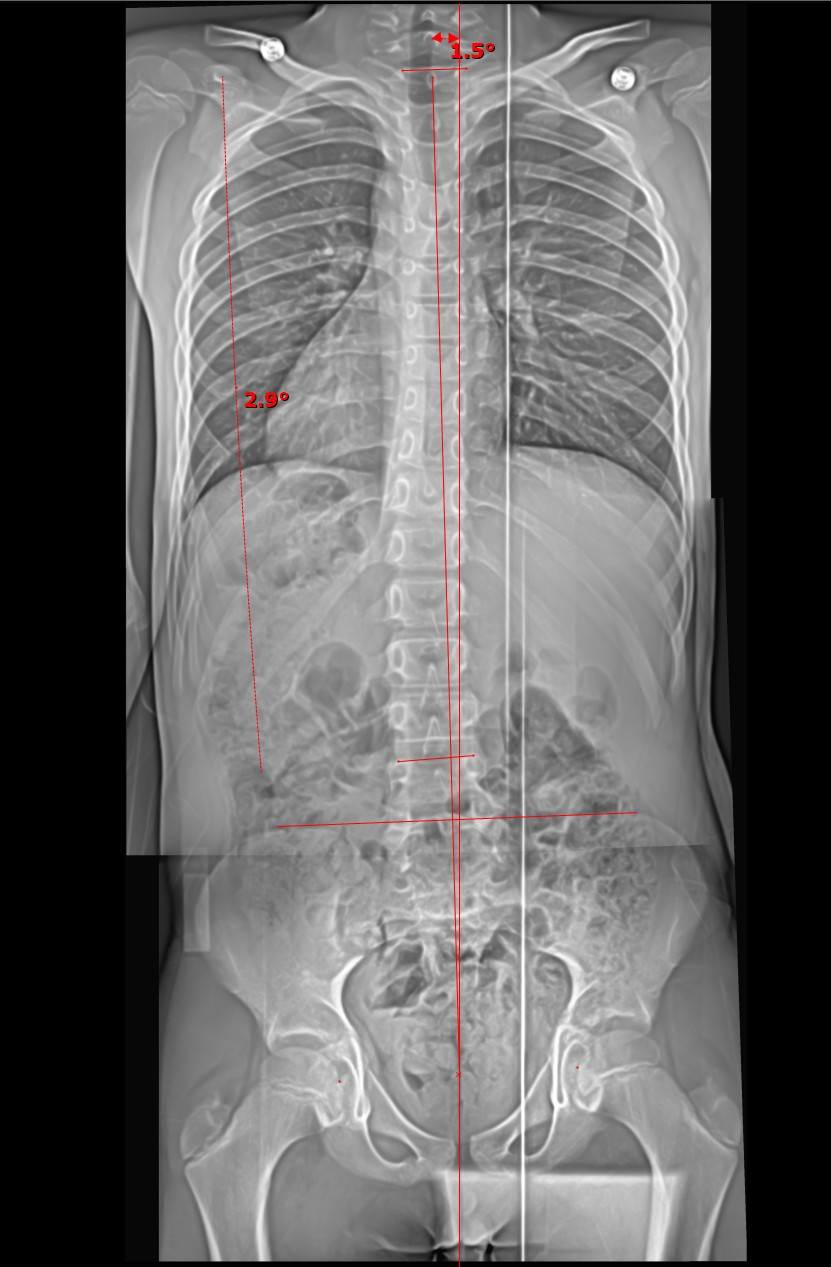
Three films across 6 months and 11 days. The earlier follow-up was 2 months and 2 days after the initial film. Select an X-ray to view the full image. Names and examination dates are omitted.
Screened Early. Staying Active.
This active 10-year-old boy plays travel-league soccer. With a family history of scoliosis on his mother’s side, his mother brought him to Alpha Spine Center for screening.
His mother reported that she was glad she had him checked and felt that treatment helped him continue doing what he loves. This is a summary of her experience shared by the practice, rather than a direct quotation.
Curve measurements over time 9.1° → 5.6° → 2.9° Initial to earlier follow-up: 3.5° decrease. Earlier to later follow-up: 2.7° decrease. Total displayed decrease: 6.2°.
Additional marked angle: 2.3° → 0.8° → 1.5°. This angle increased between follow-ups and remained 0.8° below the initial label.
Reading the comparison: These are the angles labeled on the supplied films; the measurement method has not been confirmed for this display. A screening finding or family history alone does not establish a structural or genetic scoliosis diagnosis. Positioning, growth, and measurement variability matter when interpreting changes. This individual comparison does not establish a typical result or prove what caused the change. Continued follow-up during growth is guided by the child’s findings. Parent-reported experience; individual results vary.
Case 02 · Finding Relief After Scoliosis Surgery
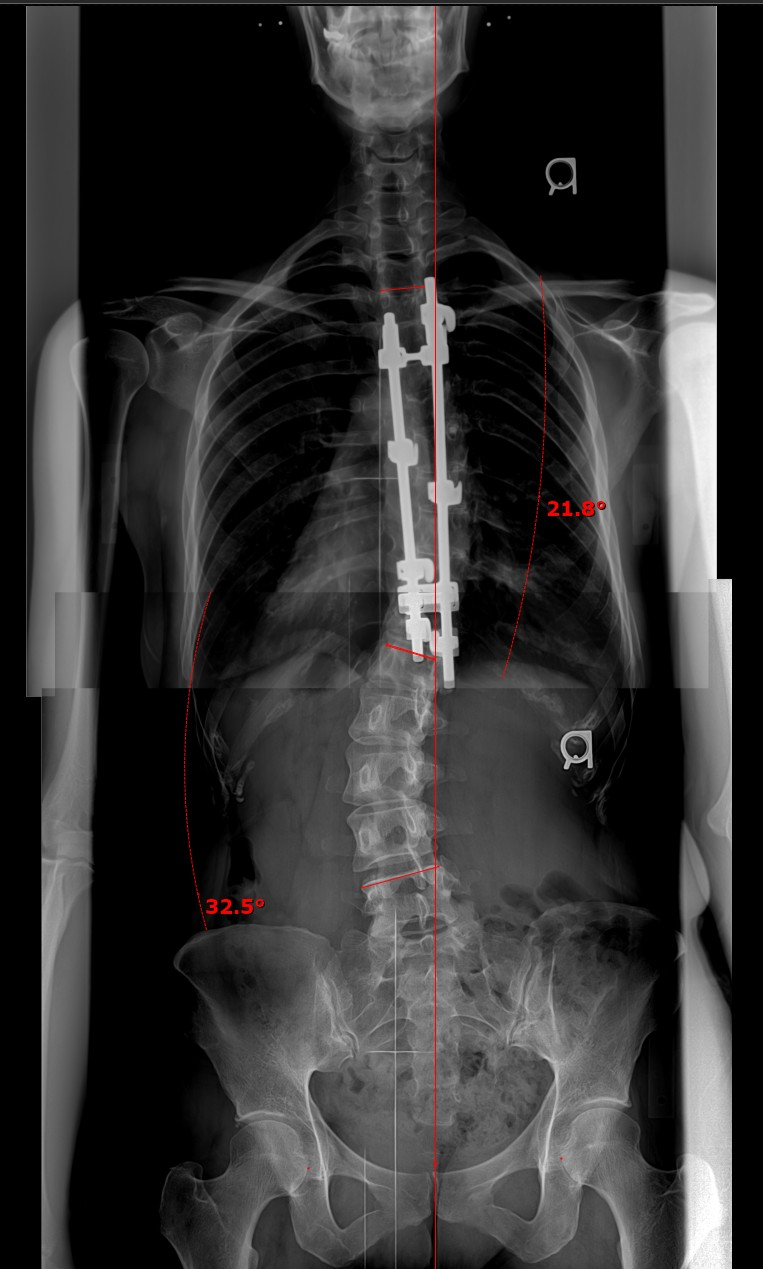
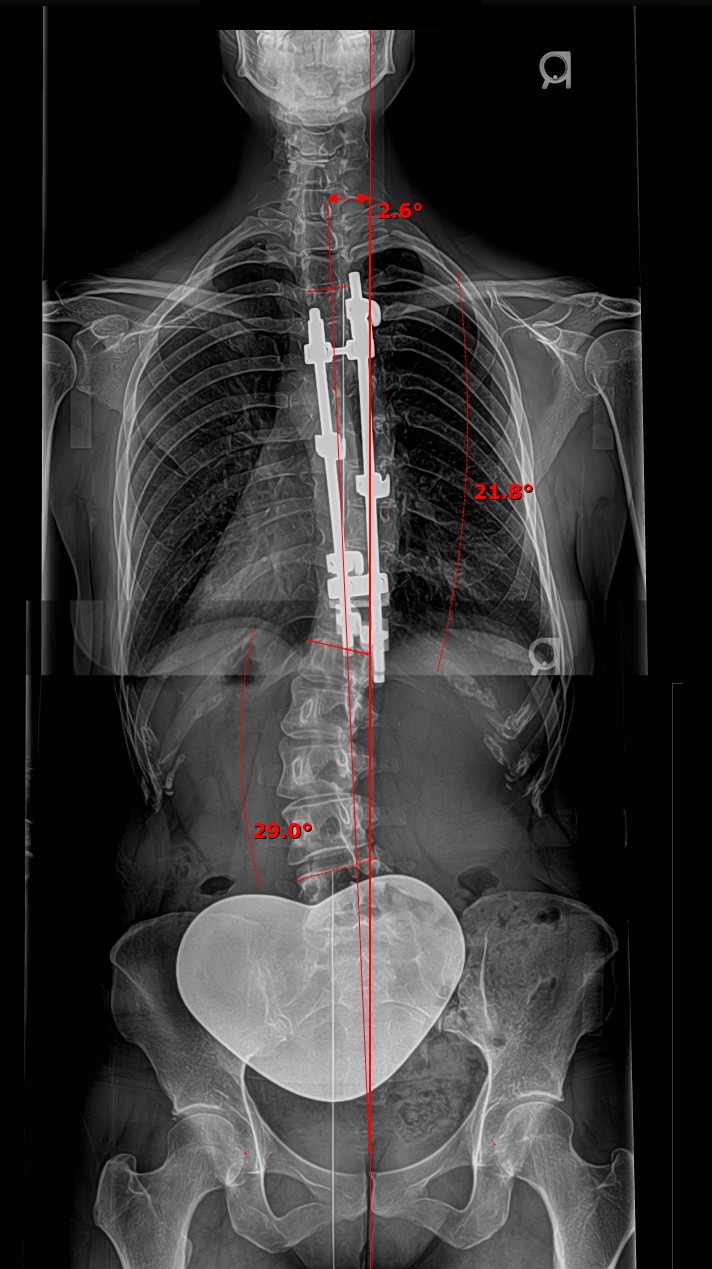
BEFORE NUCCA CAREThoracic: 21.8° Lumbar: 32.5°FOLLOW-UPThoracic: 21.8° Lumbar: 29.0°
Time between films: 2 months and 6 days. Both films were taken after her scoliosis surgery. Select a film to view the full image. Names and exact dates are omitted.
A Previous Surgery. A Personal Plan.
This patient was 38 when she came to Alpha Spine Center with neck pain, severe headaches, and low-back pain. According to the practice’s history, she had previously received Harrington rods for a progressing thoracic curve reported as 35°. Surgery reduced the reported thoracic measurement to 21.8°, while her lumbar curve later measured 32.5°. The original pre-surgical film is not part of this comparison.
Dr. Bryan explained that her previous surgery and spinal hardware made assessment and care more complex. After discussing the findings and limitations, she chose to try NUCCA upper cervical care.
Her reported response: After her first adjustment, she reported that her headaches had resolved, her neck pain had reduced, and her low back no longer hurt. The practice reports that she now attends checkups approximately every other month. This is her individual experience; follow-up schedules vary.
Structural Curvature with Functional Concerns
Dr. Bryan considers this an example of structural scoliosis with an additional functional component: an existing structural curve alongside muscle-balance and symptom concerns. NUCCA care focuses on the atlas, the uppermost neck vertebra. His clinical interpretation is that addressing upper cervical alignment may influence nerve-and-muscle coordination and the balance of muscles supporting the lower back.
This case does not establish a genetic cause or demonstrate pressure on—or decompression of—the spinocerebellar tracts. The proposed mechanism and the patient’s reported symptom response are separate from the measurements printed on these films.
Displayed changes over this interval: Lumbar: 32.5° → 29.0° — a decrease of 3.5°. Thoracic: 21.8° → 21.8° — unchanged. Additional follow-up label: 2.6°; no matching baseline label is supplied.
Reading the comparison: These are the labels on the supplied films; the measurement method and concurrent care have not been provided for this display. Positioning and measurement variability may contribute to a difference. This individual comparison does not establish lasting structural correction or prove a treatment effect. Patient-reported symptom relief is presented separately from radiographic changes. Individual results vary.
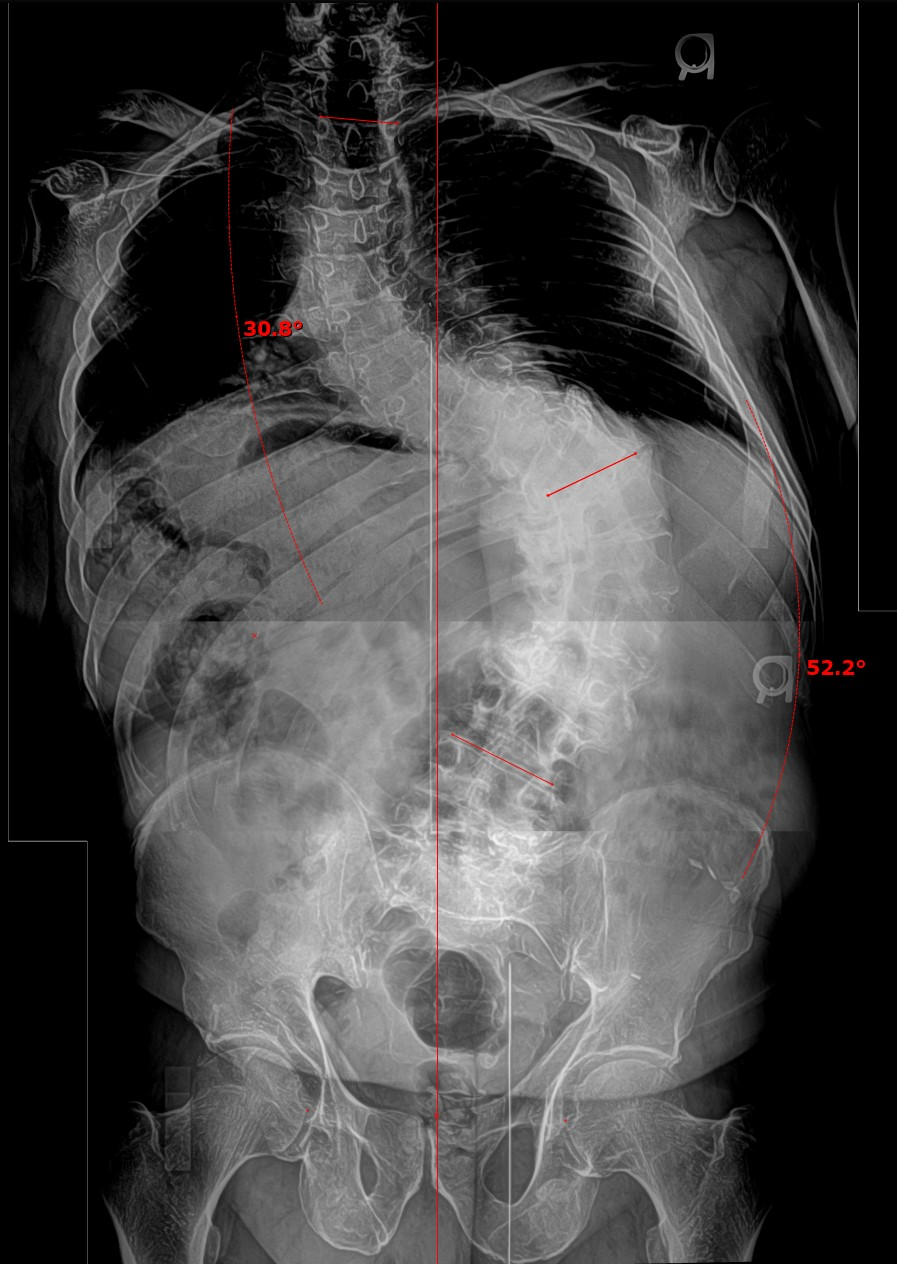
Time between films: 14 months and 8 days. Select an X-ray to view the full image. Names and examination dates are omitted.
“I am amazed at my improvement!”
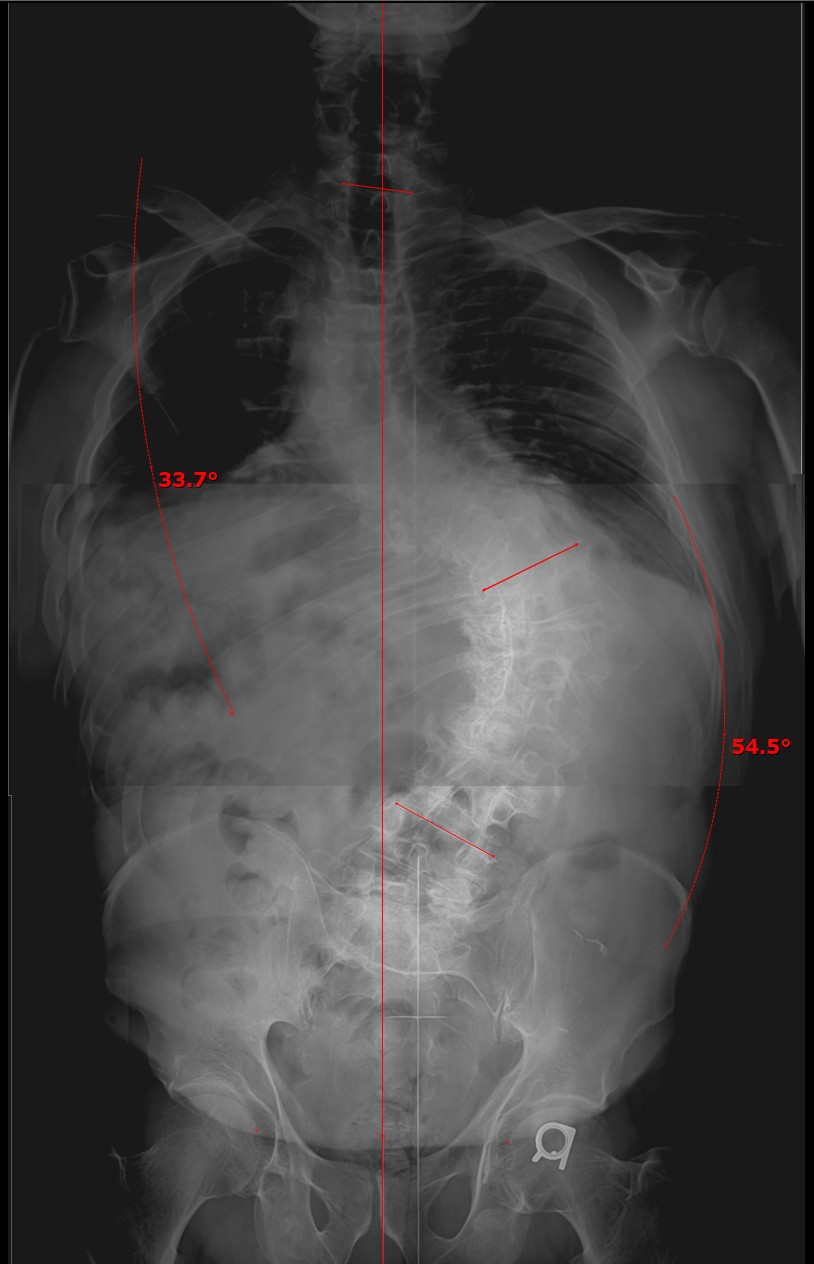
This adult patient describes back and hip pain with a 55-year history of scoliosis, followed by neck pain, pain radiating into his left arm, and limited neck rotation. In his approved testimony, he recalls that an orthopedic surgeon wanted him to receive cortisone injections and then recommended surgery. He chose care at Alpha Spine Center instead. According to the practice’s account of his history, he did not undergo either intervention and credits his care at ASC with helping him improve and avoid those treatments. This is his individual experience.
“Now I am able to walk much further and for longer periods of time with my friends and family. I am able to sleep better and I am much more comfortable. I am able to do just about any and everything physical now.”
He also reports improved neck symptoms and quality of life over the preceding year. This is his personal experience, shared with permission; individual results vary.
More of Their Story on Google
In a five-star Google review posted under Charley Anton, his wife describes his scoliosis experience and her own improved balance. The review is signed by Charley and Ida-Marie.
“His pain level is much less, he now does most of the activities he loves.”
May 1, 2023 · Personal experiences; individual results vary.
Reading the comparison: The displayed upper curve angle decreased from 33.7° to 30.8° (a difference of 2.9°), and the displayed lower curve angle decreased from 54.5° to 52.2° (a difference of 2.3°). Small differences may reflect positioning or measurement variability and do not, by themselves, establish lasting structural correction or prove a treatment effect. The interval between films is confirmed by the practice. The measurement method and any concurrent care have not been supplied for this display. Symptom and activity improvements are patient-reported.
Cases 01–03 contain supplied, de-identified patient images and personal experiences. Measurements and reported symptoms are presented separately. Individual results vary.
DOCUMENTED EXPERIENCE. INDIVIDUAL RESULTS.
See the Measurements. Understand the Story.
Dr. Bryan reports that Alpha Spine Center has a clinical archive of more than 3,000 pre- and post-care X-ray images, including cases with measured changes in spinal curvature during NUCCA care. We are preparing selected, de-identified comparisons for this page.
Each comparison will show the relevant Cobb angles, the interval between images, and the clinical context. Comparable positioning, the measurement method, growth, and any concurrent care matter when interpreting a change.
These are individual clinical records, not a guarantee of your child’s result. An image archive does not establish a treatment success rate or prove that care caused every observed change. Published evidence has not established NUCCA as a reliable method to correct structural scoliosis or replace indicated bracing or surgery.
Upper Cervical Chiropractic Care: A Published Clinical Example
Dr. Kirk Eriksen’s chapter on postural assessment in Orthospinology Procedures: An Evidence-Based Approach to Spinal Care includes a before-and-after radiographic example of reduced thoracolumbar scoliosis following upper cervical chiropractic care using the Orthospinology procedure (Figure 9-9).
This published clinical illustration documents an individual example. It is not a controlled study of NUCCA and does not establish a typical outcome or prove that upper cervical care alone caused the change. Orthospinology and NUCCA are distinct approaches within upper cervical chiropractic care. Both are Orthogonal based Upper Cervical Techniques with similar analysis. The difference is NUCCA treatments are by hand and Orthospinology is done by an instrument.
Reference: Eriksen K. Supine Leg Check and Postural Assessment. In: Eriksen K, Rochester RP. Orthospinology Procedures: An Evidence-Based Approach to Spinal Care. Lippincott Williams & Wilkins; 2007. Chapter 9, Figure 9-9. View the publisher’s book listing →
Real Experiences. Careful Context.
In her published ASC testimony, Deborah B. describes improved activity tolerance, balance, and a decreased curve during care. This is her individual report; the testimony does not supply Cobb measurements.
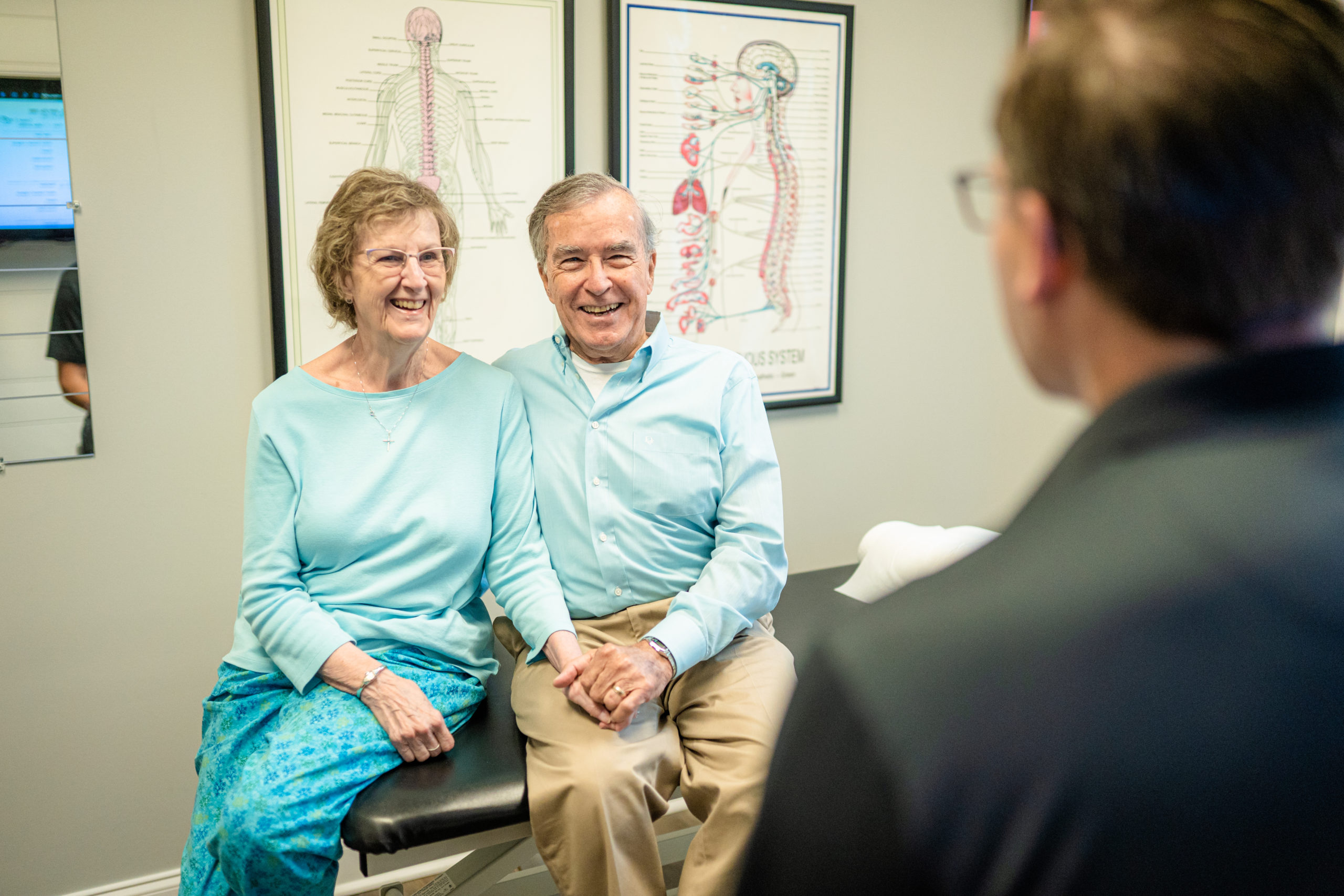
The adult patient featured in Case 03 and pictured with his wife describes improved walking, sleep, comfort, and quality of life in his approved testimony. The supplied before-and-after images show the measurements printed on each X-ray. His account and imaging are presented separately so families can understand both his experience and the limits of an individual comparison.
We aim to make your own findings understandable: what was measured, what changed, how you are functioning, and what follow-up is appropriate.
ADULTS DESERVE AN INDIVIDUAL PLAN, TOO.
Adult Scoliosis Care. Living Well.
Some adults have lived with a curve since adolescence. Others develop curvature with age-related spinal changes. Pain, stiffness, balance concerns, or limits on daily movement can bring new questions.
We review your history, relevant imaging, and goals, then assess posture, movement, and possible sources of discomfort. Upper cervical care may be considered when the findings support it. Your plan may also include appropriate exercise guidance or referral to another provider.
Our focus is your comfort, function, and an informed understanding of the curve. A change in posture or pain is different from confirmed structural curve change. We track the outcomes that matter and do not promise to straighten every adult spine.
New weakness, persistent nerve symptoms, significant progression, or other concerning findings require medical or spine specialist assessment. We help coordinate that next step.
A CLEAR PLAN. CARE THAT EVOLVES WITH YOU.
Your Pediatric & Scoliosis Care Plan.
Listen & evaluate. Tell us what you have noticed and what your family hopes to achieve. Bring prior imaging, reports, and specialist advice. We consider age, growth, symptoms, movement, and the curve history.
Explain & plan. We discuss the findings in plain language. When an upper cervical assessment identifies a suitable concern, NUCCA care may be recommended. We explain its purpose, limitations, and how progress will be reassessed.
Measure & reassess. We monitor symptoms, function, posture, and the curve when clinically indicated. Follow-up timing is individualized. Existing images are reviewed before considering additional X-rays, and imaging is not repeated simply to create a before-and-after photograph.
Coordinate. Your pediatrician, orthopedic spine specialist, and scoliosis-trained therapist may each have a role. Continue prescribed bracing and specialist follow-up unless the prescribing clinician changes the plan. We do not provide surgery, drugs, or injections.
A clear plan, personal attention, and decisions guided by your findings.
SCHOOL. SPORTS. EVERYDAY LIFE.
Work to Play.
Children deserve care that considers the life they want to enjoy: school, friendships, sports, and family adventures. Adults deserve the same attention to work, exercise, and everyday movement.
At Alpha Spine Center, “Work to Play” reflects our family’s love of skiing, mountain biking, hiking, running, and pickleball. We understand why comfortable movement matters, and we want to know what matters to you.
Activity guidance belongs in the plan. Many people with scoliosis can remain active, but advice depends on the curve, symptoms, and any treatment or surgical restrictions. We coordinate with your treating team rather than setting the same rules for everyone.
The right exercise at the right time matters. When your doctor or scoliosis-trained therapist recommends a rehabilitation program, follow the prescribed timing, technique, and progression. Scoliosis-specific exercises require an individualized approach; general stretching is not the same as a specialist program.
Do not rush into rehabilitation before you have been assessed or increase the load beyond the recommended plan. Tell your clinician about new or worsening pain so the program can be reviewed.
Care should support your daily life—and fit the person, not just the X-ray.
EXPERIENCE. A SHARED PURPOSE. THE NEXT GENERATION.
Two Generations. One Mission.
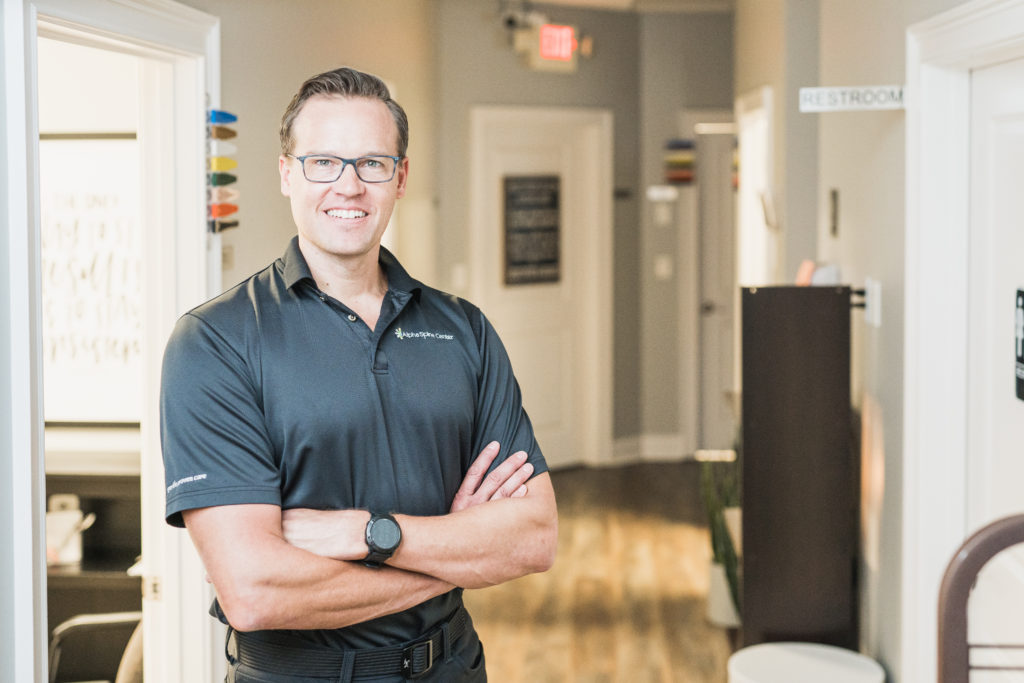
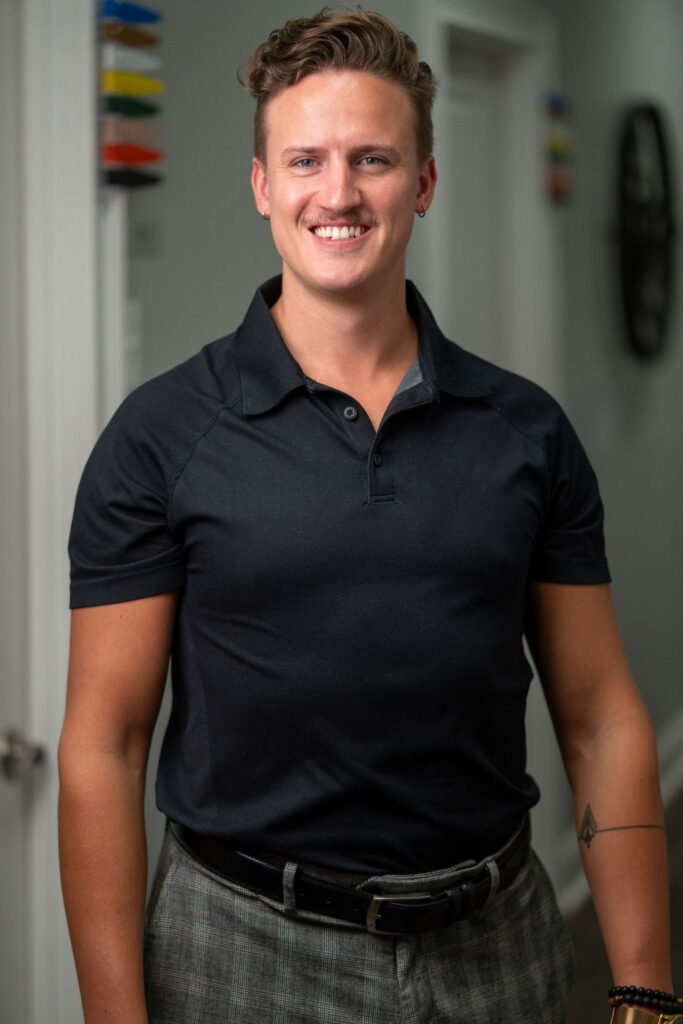
For Dr. Bryan Salminen and Dr. Andrew “Drew” Salminen, chiropractic care is personal. As father and son at Alpha Spine Center in Milton, GA, they share a commitment to listening carefully, explaining findings, and helping families make informed decisions.
Both doctors are members of the National Upper Cervical Chiropractic Association (NUCCA). Dr. Bryan’s involvement began as a chiropractic student in 1996, and he has been a doctor member since 1999. He holds Level III certification in NUCCA protocols. Dr. Drew brings his interest in NUCCA, sports chiropractic, fitness, and performance to that family mission.
NUCCA Upper Cervical Chiropractic is the foundation of their practice. For a child with a curve or an adult with discomfort, the starting point is the same: understand the findings, consider the whole person, and discuss appropriate care and referrals.
Children should feel included in the conversation, and parents should understand the purpose of each recommendation. Our pediatric musculoskeletal care complements routine pediatric medical care.
A family practice with personal attention, a welcoming team, and a plan shaped around you.
CAN NUCCA REDUCE A CURVE?
ASC reports measured changes in selected clinical cases. Individual before-and-after records can document a change, but do not establish a typical result or prove its cause. Strong evidence has not established NUCCA as a reliable treatment for structural scoliosis correction.
WHAT ABOUT A BRACE?
Bracing can reduce the risk of progression in appropriately selected growing children. Its main goal is to keep a curve from worsening. Do not stop a prescribed brace because of this page or chiropractic care; discuss changes with your orthopedic specialist.
WILL MY CHILD NEED SURGERY?
Many children do not need surgery. Larger or progressing curves may require a surgical opinion, depending on growth and other findings. We support informed decisions and timely referral. No chiropractic plan can guarantee that surgery will be avoided.
HOW OFTEN ARE X-RAYS NEEDED?
There is no single schedule for every patient. Growth, curve risk, prior images, and clinical findings guide imaging and follow-up. We review existing records and coordinate with your specialist to avoid unnecessary duplication.
A Clear Next Step for Your Family.
Concerned about your child’s posture or a scoliosis diagnosis? Living with an adult curve and looking for help with movement or discomfort?
We welcome families from Milton, Alpharetta, and Roswell. Bring your questions and existing records. We will listen, explain the findings, and help you understand the next step.
Let’s work together to see what a difference a well-balanced life can make! Make an appointment with us today, and we will see how we can help you reduce pain, increase life, and bring balance back.